





Terracina Surgical Arts
Reasons to Get a Breast Reduction in the Inland Empire
Breasts that are too big for your body are a widely misunderstood condition that might put women’s health at risk in the long run. If you have a family background of bigger breasts or are experiencing neck or back pain as a result of your breasts, you may want to start thinking about breast reduction. A breast reduction can provide women with safe, quick results and relief if their breasts are limiting their activities or causing them pain. There are many reasons why women would want Breast reduction surgery, such as the listed below.
 Your Activities Will No Longer be Limited by your Breasts
Physical activity may be the last thing on your mind at first. Your doctor will advise you to walk as soon as possible following your surgery. This aids in the prevention of blood clots. However, you should avoid exercising or doing anything rigorous for 3 to 4 weeks. After 6 to 10 weeks, your doctor may give you the green light to exercise. You’ll be doing activities you never imagined you could do. Also, finding things to wear during such activities should be less difficult!
Sleeping
Only those women with bigger breasts understand the difficulty of trying to find a comfortable sleeping posture. You will be able to sleep without needing a particular pillow or being concerned about your comfort after breast reduction.
Clothing
Finding clothes that fit your body is simple, but finding clothing that also fits your breasts may be difficult. Wardrobe options might be limited, from shirts with gaps between the buttons to bikinis that don’t provide much-needed support. However, once you have your breast reduction this won’t be a problem anymore.
Breast Reduction Surgery can Improve your Overall Health
Large breasts, speaking of physical strain, can put pressure on your spine, shoulders, and neck, producing pain and hunching in these places. Breast reduction surgery frequently results in improved posture, self-esteem, fewer skin rashes beneath the breasts, and increased range of motion, which allows patients to exercise more easily.
Proportion
Patients choose a breast reduction for a variety of reasons, the most common of which is aesthetic preference. Many women just want to fit better in their clothes, others want to reduce neck and back pain, but some women also want to have a better proportion to the rest of their body. A breast reduction might improve a patient’s overall appearance. Patients frequently want to modify their top-heavy look. By eliminating sagging skin and lifting the breasts into a healthier posture, breast reduction surgery improves one’s look. Following a breast reduction, patients frequently feel more confident in their appearance. Above all, the most important reason for anyone to contemplate a breast reduction is that they desire one. It’s all about self-love when it comes to cosmetic surgery.
Most Women are Happy with their Decision and Pleased with the Results
According to studies on breast reduction satisfaction, the majority of women are pleased with the outcomes. They also report that their quality of life has improved. The majority of women are satisfied with the look of their breasts. Researchers also find improvements in mental, sexual, and physical well-being.
If you believe that you might appreciate the outcomes of breast reduction surgery, then you should definitely contemplate scheduling a consultation with Dr. Punjabi at Terracina Surgical Arts. After acquiring additional information from your specialist cosmetic surgery team, you can always decide if the surgery is best for you. Terracina Surgical Arts is here ready to assist you, feel free to contact us for more information and to schedule your consultation.
Medical Equipment Financing
 Ever since we started, our goal has always been to be the best plastic surgery care in the Inland Empire by providing outstanding individualized care for all of our patients. But to achieve our goal we require the use of good and modern medical equipment, which is a significant and expensive investment for any plastic surgery care, unfortunately, we weren’t able to purchase all of it at that moment and since we didn’t want to decrease the level of service we provide, we went out looking for financial help around our area, that’s where we met Equipment Financings and so they helped us with the medical equipment financing we needed.
But, how did Equipment Financing help us with Medical Equipment Financing? We will answer that question based on our experience as we are grateful to them and want other medical practices to know about this opportunity of getting medical equipment financing with the help of the best equipment finance company.
Equipment Financings is a company in Southern California that provided us with an equipment loan that fitted our needs and budget. They not only made the application process simple and quick, but they also walked us through it, set up a simple payment plan, and supplied free financing reports. They explained everything to us, answered all of our questions and doubts, and with that, they gave us peace of mind as we were sure that we were in good hands.
We know that getting an equipment loan can be scary for those who aren’t familiar with the idea, but after working with them we fully recommend Equipment Financings, no matter the size or status of your business, we are sure they will provide you with solutions that will fit your needs and budget as well as guide you through the whole process just like they did with us. They can help you to finance up to 100% of the equipment you need to run your business successfully and increase your service. They have a variety of lenders who provide equipment grants, so you may choose the one that best suits your requirements and price.
The steps are concise and quick, and their customer service is excellent. They aided us in determining the best type of loan for our equipment and provided us with the best rates and conditions, which were designed just for us. So, if you’re looking for a company to help you with medical equipment financing or any other type of equipment, know that Equipment Financings is your best option; trust us, you won’t be disappointed!
Facts About Breast Reduction You Need to Know
 A breast reduction is a surgical procedure for reducing the size of large breasts, proportionating them to the woman’s body. A breast reduction can be performed for cosmetic reasons, health reasons, or physical reasons.
The cosmetic surgery procedure reduces the size of a woman’s breasts to reduce pain and discomfort. In some cases, it also removes stretch marks on the skin, it may also remove excess skin that was deposited during pregnancy or weight gain. Here are some facts that you would like to know.
You’ll be Sidelined For a Few Weeks
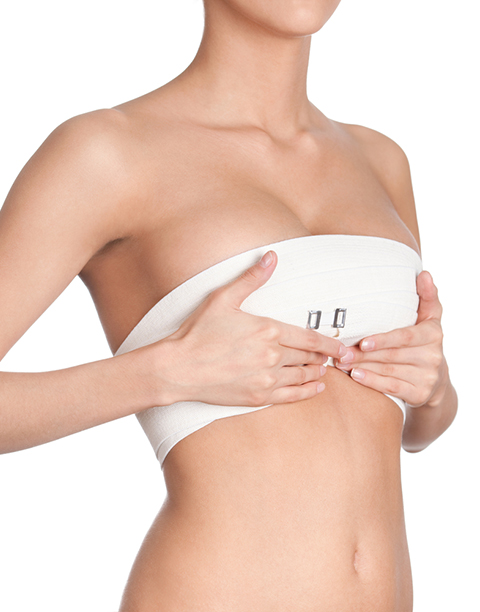
Women usually return home the same day or the following morning. However, you’ll most certainly be tired and sore afterward, so take a few days off work or school to recover. You’ll be advised to get up and walk around regularly, but you’ll have to wait about a month before engaging in any intense exercise.
 You May Lose Some Sensitivity
You will most likely have decreased sensation in your breasts right after surgery. This is perfectly normal and caused by a combination of anesthetics and your body’s natural healing process. This will most likely fade away with time, and the full sensation will return. Unfortunately, this isn’t always the case. The sensations in the nipples, in particular, do not always return to normal. Be sure to speak to your plastic surgeon if a loss of sensation is one of your worries.
Breast Reduction Surgery can Improve your Overall Health
Large breasts, speaking of physical strain, can put pressure on your spine, shoulders, and neck, producing pain and hunching in these places. Breast reduction surgery frequently results in improved posture, self-esteem, fewer skin rashes beneath the breasts, and improved range of motion, which allows patients to exercise more easily.
Your Insurance May Cover Surgery
If you’re considering breast reduction surgery to treat physical issues like back pain or skin problems, some insurance companies will pay some or all of the cost. Before surgery, your doctor can assist you in collecting the necessary information and measurements to send to the insurance company.
Proper Age
Breast development might last until your early twenties. If you have breast reduction surgery before this period, there’s a risk it’ll have to be redone. In addition, adjusting to the surgery throughout the teenage years can be emotionally challenging. For these factors, several insurance plans will not cover the cost of breast reduction if you are under 18.
Scars
Every surgery leaves a scar. However, there are several different ways of performing a breast reduction surgery, so you need to talk to your plastic surgeon about where your scars may be situated.
You May Not Find the Exact Cup Size You’re Looking For
This has less to do with breast reduction and more to do with bra manufacturers. Since cup sizes vary by brand and bra type, discussing the procedure in terms of cup size isn’t an exact science. As it is more precise, your plastic surgeon would most likely discuss sizes in terms of grams of breast tissue. While it may be difficult to think in terms of grams rather than cup sizes, it is the tried and proven way of assuring a precise breast reduction to reach your desired appearance.
It Might Affect Breastfeeding
The chances of this happening are highly dependent on the extent of your surgery. Breastfeeding capacity is more likely to be limited in women who receive a significant reduction. Since your plastic surgeon may need to remove some of the milk ducts and glands as part of the breast tissue removal, the amount of milk produced will be reduced. If this is an issue for you, make sure to discuss it with your plastic surgeon.
If you are considering Breast reduction these facts will help you to have an overall look at the surgery. This procedure is a big decision but can greatly improve your quality of life if you have the right surgeon. Terracina Surgical Arts is the right option for you.
Preparation for Dentures
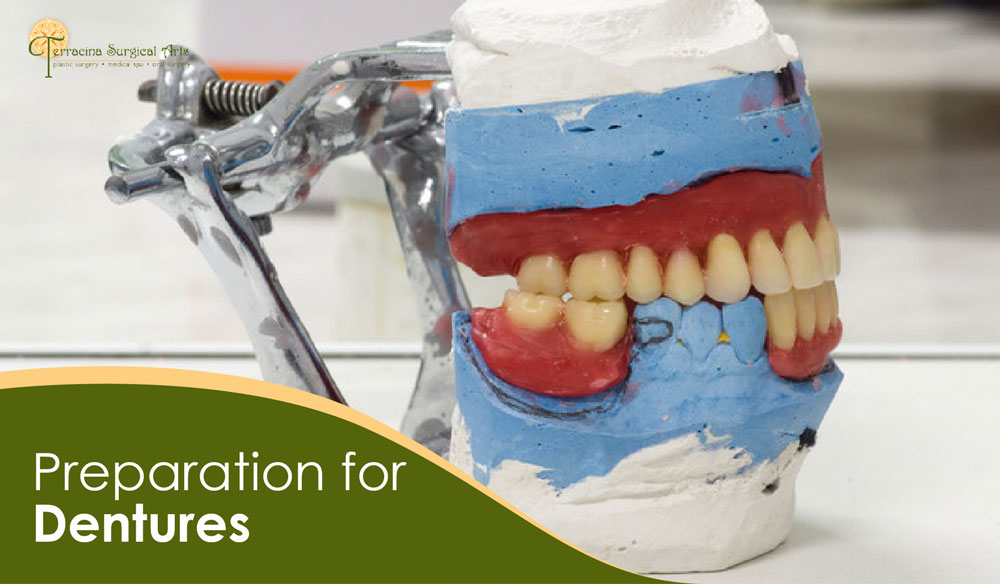 Forget the stress and frustrations of dentures with Terracina Surgical Arts. With our state-of-the-art process, you’ll be able to regain your confidence in no time! Dentures are removable appliances that replace missing teeth. Dentures are made of hard materials such as acrylics, metal alloys, or porcelain. They are held in place by your upper and lower jawbone and gum tissue.
Preparing for Dentures
When preparing for dentures, Dr. Punjabi will perform a thorough examination and prepare the gums for the fitting of dentures. Since dentures are connected to the inside of the mouth it requires a thorough cleaning of the mouth before proceeding with the procedure. There will then be a impression done of your gums and lips to make sure they have taken an accurate measurement before beginning. If extractions need to be done before the final denture is made, patients are recommended to wear a soft acrylic denture during the healing process.
What to Expect During Extraction Surgery
If extractions are needed this is the first step you will take before denture impressions are even made. Extractions do require an extensive healing period especially is bone grafting is needed and can take up to 6 months before fully healed. After surgery, you are expected to bleed a little bit and can be controlled by using gauzes over the empty sockets. Bleeding will stop after a couple hours. Avoid drinking hot liquids, doing exercise, and keep your head elevated. If you continue to bleed after the day, you should call our office and keep your dentures on unless the bleeding is excessive.
Denture Preparation
Dentures can be a relatively simple process if done by a board-certified maxillofacial surgeon such as Dr. Punjabi at Terracina Surgical Arts. Impressions are made of your gums and you will be given a temporary denture to wear until the final product has returned from the lab. After you receive your final denture, our dedicated staff will go over any questions or concerns that you may have as well as show you how to properly install and wear your dentures and give tips and tricks to help them adhere to their fullest capability.
Contact Us Today
Dr. Punjabi is a board-certified maxillofacial surgeon and has treated hundreds of patients with dentures and dental implants. Call our offices at Terracina Surgical Arts to call and schedule a consultation with Dr. Punjabi to see if dentures are the best option for you and your lifestyle and how we can help.
What are Dentures and how do you Maintain Them?
Dentures can give an individual confidence while eating, talking, smiling, and even laughing. If you have suffered from tooth loss or are in the process of getting dental implants- dentures are the stepping stone to your new smile. While there is a multitude of foods it’s not recommended to eat when you have dentures- they do give you the advantage to eat and chew food better than before. It’s important to speak to your dentist to see which option for teeth replacement is good for you and your lifestyle.
What are the different types of dentures?
There are two different main types of dentures individuals often use whether it’s a temporary situation or permanent. Dentures can offer more freedom to feel better about your smile, chew tougher foods and talk without any speech issues.
Temporary Dentures:

Temporary dentures can be uncomfortable for patients who have never worn them before and can take some time getting used to. If you have any trouble wearing your temporary dentures or are having a hard time fitting them over your gums it’s important to call your dentist as swelling can be an issue or be a sign of infection in the gums. Your dentist will properly assess your mouth and show you how to place and wear your dentures comfortably.
If you are in the process of receiving dental implants or a full mouth reconstruction you are more than likely given a temporary denture to wear while your mouth heals during the process. Temporary dentures are often worn after teeth extractions all the way until the temporary crowns for your implants have been placed. While not everyone who wears temporary dentures are a reciprocated of dental implants, you may find that older patients who do not qualify for dental implants often wear dentures for many, many years with no problems.
Permanent Dentures:
If you are receiving a full mouth reconstruction, all-on-4, or permanent dentures, you may already be familiar with the long healing process. After all teeth have been extracted and bone grafting has healed, which can typically take anywhere from 3-6 months, you will then move onto the implant placement. With local anesthesia, all of the dental implants are placed in the bone of your gums and you are ready for another healing process. During this time your will wear temporary crowns until your permanent porcelain crowns can be completed.
Permanent dentures offer the freedom to eat what you want and have your smile back. Not having to stress and worry about what you can, and cannot eat will relieve mass amounts of stress and give you a better quality of life.
How to Take Care of your Dentures
It’s important to maintain good oral health by cleaning your dentures every day. It’s pivotal to brush your dentures to avoid plaque build-up and bacteria. With dentures you no longer have to worry about cavities on your teeth but it’s crucial to understand that good oral health is mandatory to maintain healthy gums to avoid any loss of bone. It’s important to protect your gums against periodontal disease and maintain the healthiest of smiles. For temporary dentures using a non-abrasive bonding material will help avoid any slippage and help maintain moisture in your mouth.
While not everyone is a candidate for temporary dentures due to medical reasons such as having epilepsy or being prone to seizures, those patients often times do quality for permanent dentures and it is usually covered by their insurance. Because permanent dentures or dental implants are known as a cosmetic dental procedure, it is rarely covered by insurance providers without a specific medical reasoning as stated above.
With the proper care of your smile it is easy to avoid having to have temporary or permanent dentures. Maintaining your oral health by seeing your dentist for an exam once a year and your hygienist 2-4 times per year, you are already talking the proper steps to keeping your smile healthy. While dentures are not the end of the world, they can cause a major inconvenience for specific individuals and should be avoided if possible. If you have any questions regarding permanent or temporary dentures, give our office a call at Terracina Surgical Arts and one of specialist will be able to set you up for a consultation with Dr. Punjabi.
What to Expect: Breast Implants in Inland Empire
 It’s normal and natural to consider doing something about your breasts, whether it’s a reduction, lift, or augmentation. Change in the breast can occur after time whether due to age or weight loss, post-pregnancy, or by simply just feeling self-conscious about your figure. After all, our climate and culture it is expected to have an appealing shape. An appealing breast shape reflects good health and vitality in women. These are just some reasons Dr. Punjabi performs breast implants, breast reductions, and breast reconstructions in the Inland Empire at our Terracina Surgical Arts. As a breast enhancement specialist, Dr. Punjabi has years of experience and is qualified in helping women achieve the look they desire through breast implant surgery.
Dr. Punjabi can help you have larger, firmer, and fuller breasts. Women choose Dr. Punjabi for their breast implant surgery for his skill and dedication to achieving excellent results.
Surgery
After you come in for your consultation Dr. Punjabi creates a surgical plan for your breast augmentation based on your body size and shape as well as your cosmetic goals. Together, you will decide on several details, including the incision location, implant placement, size of the implant, and the type of implant that is used during surgery.
The breast implant procedure will last approximately an hour to 90 minutes, and you’ll spend about 1-2 hours in recovery before going home. While intravenous anesthesia is Dr. Punjabi’s preferred method for breast implant surgery, he discusses all options that are available to you.
Dr. Punjabi uses a short incision (approximately 1 inch) for most breast augmentation procedures this may be around the areola, along with the crease beneath the breast, or in the pit of your arm. Then Dr. Punjabi will create a pocket in which the implant will sit. Once your breast implants are properly placed, your incisions will be closed and necessary bandages are applied.
Recovery
During the first 2 days following your procedure, you can expect moderate discomfort you should be able to control with prescribed medication. You may notice pain when you use your arms or get up from a lying or sitting position. You may also see some bruising and swelling which is completely normal in the beginning. It is important to limit your activity during this time and be patient throughout the initial healing to ensure a smooth recovery.
What to Expect When Recovering from a Broken Jaw
Life happens and it’s nearly impossible to know when something horrible would happen, such as breaking or fracturing your jaw. There are many different ways an individual could break their jaw, while unlucky coincidences do happen you are more likely to break your jaw by:
- Falling off of a bike or motorcycle
- Being hit in the face with a ball from any sport
- Being involved in a car accident
- Being involved in a physical altercation
 While there are dozens of other ways that individuals have broken or fractured their jaws doing normal everyday activities such as taking a simple fall, we have found that the 3 mentioned above are the most common cases we see. Unfortunately, jaw fractures can be extremely painful, but should only be treated by a board-certified maxillofacial surgeon to ensure that your jaw is healing correctly.
If your jaw is broken or fractured it is very common to have your jaw wired or bandaged shut during surgery during the recovery time. For minor fractures or dislocations, it is more common to see bandages used for recovery. If the jaw was completely broken or if the patient is suffering from a large fracture it is much more common to see only wiring used to shut the jaw during recovery. Depending on the severity of the jaw fracture, it is normal for patients to have their jaws wired shut for anywhere from 6 to 10 weeks. While not every patient’s recovery time is the same, it’s important to listen to your doctor and respect your limitations.
Warning Signs of Complications
If you have any of the following complications or signs of infection it’s detrimental to contact your doctor as soon as possible. Infection or complications can lead to much worse consequences if not properly assessed quickly.
- Increased swelling
- Redness
- Bleeding inside of the mouth
- Fever or chills
- Bad smell coming from the mouth
- Increased or excessive pain that is not treatable by ibuprofen
Facial traumas such as jaw fractures in the Inland Empire are serious injuries and should be treated as such. It’s important to visit your doctor or your local Emergency Room as soon as possible to determine the extent of the damage that was done. Dr. Punjabi is a board-certified maxillofacial surgeon and has treated hundreds of patients that suffered from fractured jaws. If you or your loved one has recently suffered from a jaw fracture or a broken jaw, give our staff at Terracina Surgical Arts a call to schedule your consultation with Dr. Punjabi.
Regain your smile, your confidence, and your quality of life with Terracina Surgical Arts’ broken jaw surgery. Life can throw unexpected challenges our way, like a broken or fractured jaw. But rest assured, our board-certified maxillofacial surgeon, Dr. Punjabi, has the expertise and experience to treat jaw fractures with utmost care. Don’t delay seeking medical attention after a facial trauma—visit us or your local Emergency Room immediately to assess the extent of the damage. Our compassionate staff is here to guide you through the process and schedule a consultation with Dr. Punjabi.
The expertise of a board-certified maxillofacial surgeon is crucial for a successful broken jaw recovery. We are proud to have Dr. Punjabi, an experienced and skilled professional who understands the complexities involved in mandibular fractures and is dedicated to providing personalized care to each patient. Dr. Punjabi at Terracina Surgical Arts will carefully evaluate your condition and develop a tailored treatment plan that promotes optimal healing.
It’s important to note that immediate medical care is vital when faced with a potential broken jaw. Dr. Punjabi at Terracina Surgical Arts is the go-to expert who can help diagnose the exact cause of your injury and recommend the appropriate treatment. A fractured jaw can be incredibly painful, so don’t hesitate to contact Dr. Punjabi and his team immediately.
Fractured Jaw Pictures
While you may have seen fractured jaw pictures online and looked for ways to self-evaluate the situation, only a trained expert can accurately diagnose a broken jaw and treat your specific injury. At Terracina Surgical Arts, we understand the urgency of this condition and the pain it can cause. That’s why we are committed to providing prompt, expert care. Don’t wait to get care for severe jaw discomfort. Dr. Punjabi and his team at Terracina Surgical Arts are here for you.
Broken Jaw Recovery
At Terracina, we understand that jaw surgery can be a daunting experience, and having a jaw wired shut to fix it is a common and necessary step in the healing process for several conditions, from TMJ disorders to a broken jaw recovery due to trauma. We are committed to supporting you throughout the entire process and assisting you in regaining function and confidence. If you have any concerns or questions, please reach out to us. Let’s start our healing journey together at Terracina.
Juvederm Fillers In The Inland Empire
If you are looking to replace lost volume, dermal fillers are your best option to enhance less prominent features. Fillers are injected beneath the skin to smooth lines, give volume, soften creases, or enhance facial contours. Fillers have become very popular over the past few years, that most individuals have chosen this facial rejuvenation treatment as a cost-effective way to look younger without surgery or downtime.
What is Juvederm?
Juvederm is a clear gel formulation of hyaluronic acid that is specifically formulated to act like your body’s own naturally-produced hyaluronic acid. This helps to visibly correct moderate to severe facial wrinkles and folds, including the lines that run from your nose toward the corners of your mouth (nasolabial folds) and the lines that run from the corners of your mouth toward the chin (marionette lines).
 Where Can Juvederm be Injected?
Juvederm can be injected into:
- Lips: To enhance the volume.
- Around mouth: To get rid of your smile lines and add volume.
- Cheeks: To add a more contoured look with fullness.
- Under eyes: To minimize dark circles.
Procedure for Juvederm
Juvederm involves no incisions and can be done in your doctor’s office. This is usually done under local anesthesia to minimize any discomfort that you may experience during the procedure. Local anesthesia temporarily numbs the small area on your body that is being injected to ensure you will have the most comfortable experience when receiving your fillers.
Depending on which procedure you are getting done, Juvederm injections typically take anywhere from a few minutes to a half-hour.
The Juvederm procedure can be broken down into several steps:
Step 1: The doctor will clean the area that is being treated, and target the areas that need to be injected.
Step 2: After, the doctor and you will decide how much Juvederm is needed to meet your aesthetic needs.
Step 3: Lastly, the doctor will inject the Juvederm under your skin using an ultrafine needle.
What you can Expect After Juvederm
The healing time will depend on the extent of the treatment that you got done. However, results are usually visible within minutes of the initial treatment. After treatment, some patients may experience swelling, bruising, or slight redness where the Juvederm is injected. These side effects usually will fade within 12-24 hours depending on the procedure you received.
It is important to remember that Juvederm is not permanent, so if you would like to maintain the best results, you should follow up with your doctor about when the best time to go in for a follow-up treatment. A follow-up, second treatment is usually recommended every 6-18 months to maintain the look you desire.
Thinking About Dental Implants?
When thinking about what kind of teeth replacement solution to go with, dental implants are an excellent choice; but how long do they last? Factors that affect how long dental implants last depend largely on the patient’s lifestyle and overall hygiene. So, how long do dental implants last, and what would be the reasons for them to fail?
The fair answer is: dental implants can last for several years, but it all depends on how well the patient takes care of them. With that being said, dental implants are the best and most comfortable option when looking for a long-term solution to replace missing tooth/teeth. According to recent studies, when done correctly, dental implants show a 98% success rate, compared to a bridge or dentures which have a much lower success rate and often cause discomfort when wearing. Most dentists estimate that dental implants can last up to 25 years, or even a lifetime if cared for properly while maintaining proper hygiene.
Dental Implant Definitions
- Implant: The implant is the titanium post that will be surgically inserted into the patient’s jawbone to act as a root for the crown.
- Abutment: This is attached to the implant and holds the crown in place.
- Crown: The crown is secured onto the abutment and is designed to look like a natural tooth.
Dental Implant “All-On-4” Phases
- Once you are adequately sedated and anesthetized so that you don’t experience any discomfort during the course of treatment, our experienced surgeon will start preparing your mouth to receive dental implants. This involves the removal of all of your remaining teeth that will be replaced by implants, followed by the rigorous “cleaning out” of any diseased, chronically infected tissue from your jaw and gums. We then commence the placement of dental implants.
- Two dental implants placed near the front of your jaw. Another two implants are placed at a 45° angle near the back of the jaw. The angulations enable the implants to reap greater support from the jawbone, at the same time, avoiding damage to vital oral structures.
- Once the implants have been placed, we will bring the surgery to a close-by thoroughly cleaning the surgical sites and suturing up all incisions. You will then be wheeled to our private recovery room where you will be given some time to relax and awaken completely from the effects of sedation or anesthesia.
 After you are rested from surgery, our prosthodontist will put the final touches on your customized provisional (temporary) prosthetic dental bridge. Dr. Punjabi will then attach your new set of teeth to your implants and adjust it for comfort, bite, and fit. When you are happy with the fit and feel of the implants, you can then admire your new smile in a mirror.
Factors That Can Cause Dental Implants To Fail
Dental implants are meant to provide long-term sustainability when cared for in the correct manner, but there are several different reasons that can cause implants to fail. The following are factors that may be in the patient’s control, while others are not.
Some of these factors include:
- Patients who suffer from diabetes
- Cancer patients
- Patients who are frequent smokers
- Patients who suffer from periodontal disease
- Implants that were not placed correctly
Like regular teeth, dental implants need to be maintained through regular great oral hygiene even though they cannot get cavities. It is crucial to keep up with consistent dental visits so that your dentist can provide you with the best tools to keep your implants maintained.
Thinking About Dental Implants?
If you are considering dental implants, you need to see the best dentist possible. Our prosthodontist, Dr. Punjabi, and a team of implant specialists use the finest and latest technology to achieve outstanding results for all of his patient’s individual needs. You will be in the best hands while receiving a smile that you’ve always dreamt of.
Give our office a call at (909) 798-9950, or email us at [email protected] to set up a complimentary consultation to see Dr. Punjabi. We look forward to speaking with you and helping you achieve the smile you love.
Different Types of Injectable Fillers: Restylane vs Fat Transfer
As we age, our faces begin to show the effects of gravity, sun exposure, and years of facial muscle movement, such as smiling, chewing, and squinting. The underlying tissues that keep our skin looking youthful and plumped up begin to break down, often leaving laugh lines, smile lines, crow’s feet or facial creases over the areas where this muscle movement occurs.
Soft-tissue fillers, most commonly injectable collagen or fat, can help fill in these lines and creases, temporarily  restoring a smoother, more youthful-looking appearance. When injected beneath the skin, these fillers plump up creased and sunken areas of the face. They can also add fullness to the lips and cheeks. Injectable fillers may be used alone or in conjunction with a resurfacing procedure, such as a laser treatment, or a recontouring procedure, such as a facelift.
Restylane
In recent years, injectable fillers such as Restylane, Juvederm, Sculptra, and fat transfers have become very popular. Restylane is a safe and natural cosmetic dermal filler that restores volume and fullness to the skin to correct facial wrinkles and folds, such as nasolabial folds. Restylane maintains its shape using the body’s own moisture. The hyaluronic acid in Restylane is hydrophilic or “water-loving.” As hyaluronic acid gradually degrades, each molecule binds to more water, and over time, the same volume can be maintained with less hyaluronic acid. This ability of hyaluronic acid to bind to water is what helps provide lasting results. Injectable fillers are small injections of gel that typically consist of hyaluronic acid which fills in wrinkles and add volume to softer tissue, such as lips, cheeks, eyes and even your jawline. Injectable fillers typically restore lost volume in the face and smooth out deep-set lines. While it depends on how each individual reacts to the treatment, but expect the filler to last roughly between 6 and 18 months. To ensure there is minimal discomfort during the procedure, your medical professional will apply an anesthetic cream before the treatment begins. Your face has many underlying sensitive structures, such as nerves, vessels, and veins that can be damaged if the treatment is not performed by a trained and experienced medical professional.
Fat Transfer
Fat transfers are another type of injectable filler, which is harvested by the patient’s own body fat and re-administered to enhance facial fullness, fill creases, or build up shallow contours. Fat Transfers are a natural, safe, and non-allergic treatment option to fill in sunken areas or recontour your facial features. Typical areas for the patients “donor-area” consist of the abdomen, thighs, or buttocks; micro-liposuction is used to transfer the fat as a graft to the injectable areas. In most cases, about 50% of the fat injected will survive and will last for a lifetime, but in other cases, multiple fat transfers can be needed to achieve the desired results.
Though many different fillers are available, we have found Restylane and autogenous fat to be the safest and most effective solutions for injectable fillers. If you’re interested in learning more about getting Injectable Fillers or any type of plastic surgery in the Inland Empire, please give us a call at Terracina Surgical Arts in Redlands, CA. (909) 798-9950.