





Terracina Surgical Arts
Inland Cosmetic Surgery: Everything You Need To Know About Abdominoplasty
Are you looking to achieve a flatter and toned abdomen? Abdominoplasty, commonly known as a tummy tuck surgery, is a popular cosmetic procedure that can help you achieve your desired results. In this section, we will delve into the world of abdominoplasty, exploring what it entails and its numerous benefits.
 The Abdominoplasty Procedure: Step-By-Step Guide To A Flatter Stomach
The tummy tuck procedure is a surgical intervention that aims to remove excess skin and fat from the abdominal area while tightening the underlying muscles. Before undergoing abdominoplasty, thorough preparation is necessary. That typically involves consulting with a board-certified plastic surgeon who will evaluate your overall health and determine if you are a suitable candidate for the procedure. They will discuss your goals, expectations, and any potential risks or complications associated with the surgery.
- Administering Anesthesia
Once you have been cleared for surgery, the first step of the abdominoplasty is administering anesthesia to ensure your comfort throughout. Your surgeon may choose to use general anesthesia or local anesthesia with sedation, depending on your case.
- Incision Along Your Lower Abdomen
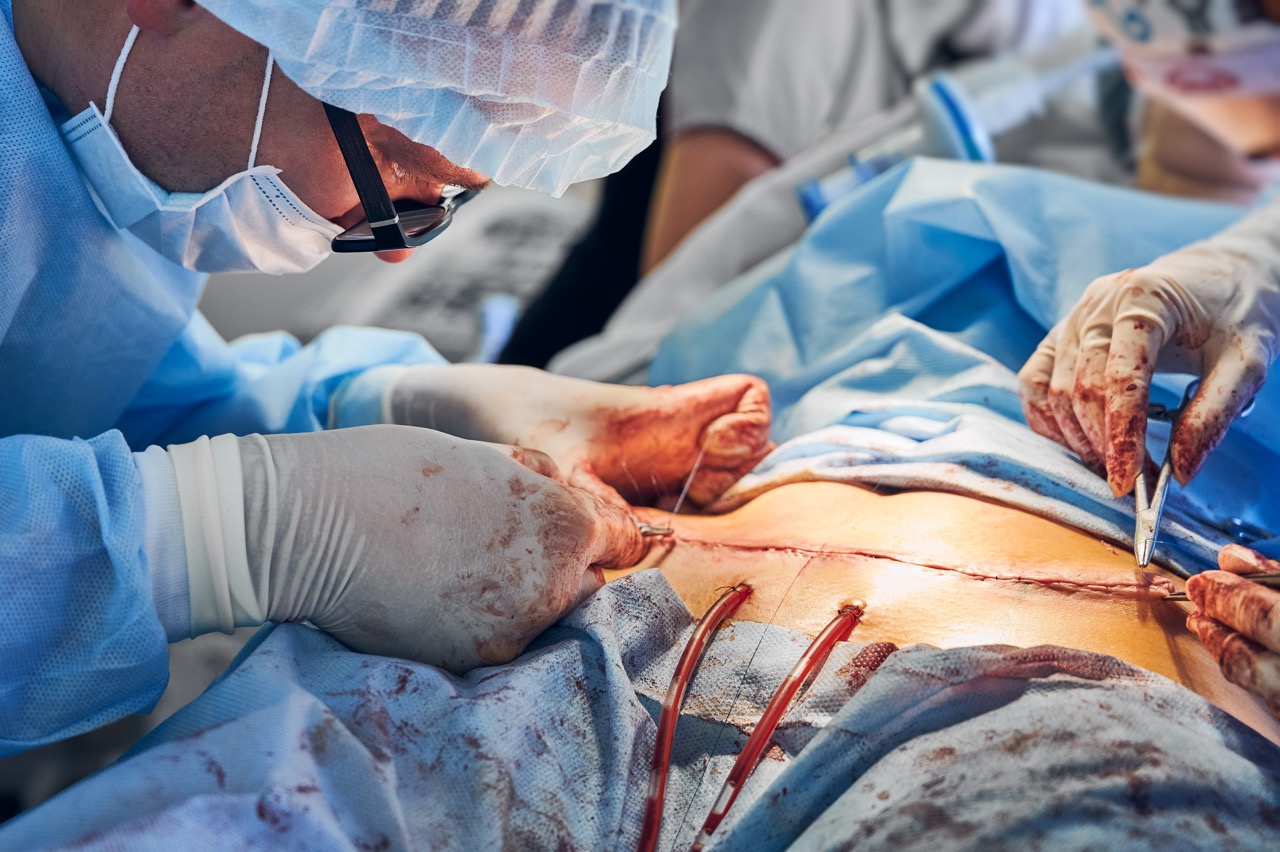
After anesthesia has taken effect, your surgeon will make an incision along your lower abdomen. The length and shape of this incision may vary depending on factors such as the amount of excess skin to be removed. The incision is carefully placed to minimize visible scarring.
- Restoring Muscle Tone And Strength
Next, your surgeon will separate the skin from the underlying tissue to access and repair weakened or separated abdominal muscles. Once muscle repair is complete, any excess skin is trimmed away.
- Close Incisions
Finally, after removing excess skin and reshaping your abdomen contours, your surgeon will close incisions using sutures or surgical adhesive. They may also place temporary drainage tubes beneath your skin to prevent fluid build-up during the initial healing stages.
Recovery After Abdominoplasty: What To Expect And How To Ensure Smooth Healing
Immediately after the surgery, it is common to experience some discomfort and pain. However, managing this pain is essential for a comfortable recovery. Your surgeon will provide you with prescribed pain medication to alleviate discomfort during the initial stages of healing.
Regarding the recovery timeline, it is important to note that every individual heals at their own pace. Generally, within the first week or two, you may experience swelling and bruising in the abdominal area. That will gradually subside over time.
The Results Of Abdominoplasty: Achieving A Sculpted Contour And Enhanced Confidence
The long-term effects of a tummy tuck procedure are often more impressive as swelling subsides and scars fade over time. Patients often report increased self-esteem and body confidence, allowing them to wear clothing they once avoided comfortably.
In addition to aesthetic benefits, abdominoplasty can positively impact overall health. By removing excess skin and fat from the abdomen, this procedure can alleviate discomfort caused by chafing or irritation in folds of skin. Furthermore, improved core strength from tightened abdominal muscles may enhance posture and alleviate back pain.
If you are considering an abdominoplasty procedure or any other plastic surgery treatment in Redlands or the surrounding areas, look no further than Terracina Surgical Arts. Experience firsthand why we are renowned leaders in providing exceptional plastic surgery care in the Inland Empire. Contact us today to schedule your consultation and take the first step toward achieving your desired results under the expert guidance of Dr. A. Punjabi and his dedicated team!
Dispelling Myths with Terracina Surgical Arts: Common Misconceptions about Body Contouring
Body contouring has become an increasingly popular term in cosmetic procedures. It refers to a range of treatments and procedures aimed at enhancing the shape and appearance of the body. It is increasing in popularity, but there are still misconceptions.
Myth 1: Body Contouring is Only for Weight Loss
When it comes to body contouring, there is a common misconception that it is solely for weight loss purposes. However, this is not entirely accurate. Body contouring encompasses a range of procedures and techniques designed to enhance the shape and appearance of the body.
While weight loss may be one of the goals for some individuals seeking body contouring treatments, it is crucial to understand that body sculpting and weight loss are not synonymous. Body sculpting focuses more on reshaping specific areas to achieve a more proportionate and aesthetically pleasing look.
Myth 2: Body Contouring is Only for Women
Another widespread misconception is that body contouring is just for women. This misconception ignores the growing popularity of body shaping among guys. Men, like women, want to enhance their physical form and address certain issues. Body contouring provides a variety of treatment choices for both men and women. Body contouring operations, from stomach sculpting to breast reduction or enlargement, are personalized to the specific demands and goals of each client, regardless of gender.
Myth 3: Body Contouring is a Shortcut to Achieving a Perfect Body
There is a common misconception that body contouring treatments offer a quick and effortless solution to achieving the perfect body. However, it is important to dispel this myth and set realistic expectations when it comes to the results of these procedures.
Body reshaping operations, in actuality, need time for the body to heal and for the full effects to show. The procedure of contouring the body includes eliminating extra fat, tightening loose skin, and encouraging tissue remodeling. While initial changes may be evident, the total result may take many weeks or months to become fully realized. Patience and following post-procedure recommendations are essential for getting the desired long-term outcomes.
Myth 4: Body Contouring Procedures are Painful and Risky
One myth that may prevent people from pursuing body contouring is that it is an exceedingly painful and time-consuming procedure. However, technological and procedural breakthroughs have altered the field of body sculpting, making operations more pleasant and decreasing downtime. The business has been transformed by less invasive treatments such as laser-assisted liposuction and non-surgical therapies such as radiofrequency skin tightening. These procedures often require less pain and recovery time than traditional surgery. The technique used to perform surgery may require some downtime, but it is usually tolerable.
Myth 5: Body Contouring Results are Permanent without Maintenance
Another common misconception about body contouring procedures is that they deliver permanent results with no need for maintenance. That, however, is not correct. Although these treatments can produce long-term effects, it is critical to acknowledge the importance of continued maintenance and follow-up care to keep those results.
Maintenance after body contouring treatments involves adopting healthy habits and lifestyle practices. That includes regular exercise, a balanced diet, and staying hydrated. These habits not only support overall health but also help prevent the accumulation of new fat deposits in treated areas.
Debunk the Myths and Discover the Truth about Body Contouring with Terracina Surgical Arts
Don’t let common myths and misconceptions about body contouring hold you back from achieving your desired body shape. At Terracina Surgical Arts, we are here to debunk these misconceptions and provide safe and effective solutions to transform your body. Contact us for more information!
Transform Your Look with Our Facelift Inland Empire Procedure
Imagine having a selfie-worthy face that rivals a supermodel like Bella Hadid. With our personalized approach to cosmetic enhancements, we can help you achieve the look you desire while maintaining your unique features. Whether smoothing out wrinkles or sculpting your facial contours, our team is committed to delivering stunning results that leave you feeling confident and rejuvenated.
The Allure of Bella Hadid’s Supermodel Face and How It Has Influenced Beauty Trends
In today’s beauty industry, the craze for Bella Hadid’s supermodel face has captured the world, becoming a symbol of beauty and elegance. Her flawless features and unique charm have profoundly influenced beauty trends.
While Bella Hadid’s beauty secrets may remain a mystery to most of us, it is undeniable that her influence has sparked a surge in interest in facelift and filler procedures. Many aspire to achieve similar facial contours and youthful radiance through these treatments.
The Rise of Face Lifts: Why More People are Opting for Facial Rejuvenation Procedures
Facelifts have become one of the most sought-after cosmetic surgery trends, offering a comprehensive solution to combat the signs of aging. With advancements in medical technology, there are now various options available, ranging from traditional surgical facelifts to non-surgical alternatives.
While surgical facelifts have long been popular, non-surgical facelift options have gained significant traction in recent years. These innovative procedures utilize cutting-edge techniques such as injectables, laser treatments, and radiofrequency technology to tighten and rejuvenate the skin without going under the knife.
Ensuring a Smooth and Risk-Free Face Enhancement Journey
At Terracina Surgical Arts, your safety and satisfaction are our top priorities. We understand that embarking on a journey to enhance your beauty is a personal decision, and we want to ensure that it is smooth and risk-free.
Under the expert guidance of Dr. Punjabi, a renowned plastic surgeon with years of experience, you can rest assured that you are in capable hands. Dr. Punjabi’s commitment to safety is unwavering, and he upholds the highest standards in Inland Cosmetic Surgery.
Embrace Your Inner Supermodel with Our Facelift Inland Empire Procedure
The craze for Bella Hadid’s supermodel face represents more than a fleeting trend; it embodies the desire for self-confidence and personal transformation. It encourages us to embrace our individuality while celebrating the endless possibilities of enhancing our natural beauty. Contact us now to schedule your consultation with Dr Punjabi and take the first step towards achieving your desired look!
Understanding Jaw Tumor and Cyst Cases: Important Information You Need to Know
Jaw tumors and cysts are abnormal growths in the jawbone or surrounding tissues. These conditions can vary in size, location, and severity. While some may be benign (non-cancerous), others can be malignant (cancerous) and require immediate attention.
Different Types of Jaw Tumors and Cysts and Their Characteristics
Several types of jaw tumors and cysts can affect individuals. Understanding the characteristics of these conditions is crucial for proper diagnosis and treatment.
- Ameloblastoma: A Common Type of Jaw Tumor
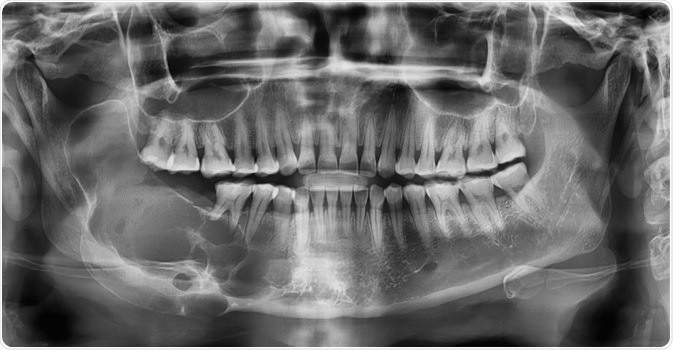
Ameloblastoma is a relatively common type of tumor in the jaw. It primarily originates from the cells that form tooth enamel, known as ameloblasts. This tumor typically grows slowly and is usually benign, although it can be locally aggressive and have a high recurrence rate if not treated properly.
The exact causes of ameloblastoma are still not fully understood. However, certain factors, such as genetic mutations and abnormalities in the development of dental tissues, are believed to play a role in their development. Additionally, there may be a link between ameloblastoma and previous trauma or infections in the jaw region.
Odontogenic Keratocyst
Odontogenic Keratocyst (OKC) is a cystic lesion that develops in the jawbone and is derived from the dental lamina. It has been recognized as one of the most aggressive and recurrent cysts in the oral cavity. Understanding its causes and treatment approaches is crucial for effective management.
- Central Giant Cell Granuloma (CGCG)
Central Giant Cell Granuloma (CGCG) is a rare non-neoplastic bone lesion that primarily affects the jaws. Multinucleated giant cells within a fibrous stroma are diagnostic of this condition.
CGCG typically presents as a painless swelling or mass in the jaw, most commonly in the anterior region of the mandible. It can cause expansion and displacement of teeth, as well as bony destruction.
- Fibrous Dysplasia
Fibrous dysplasia is a rare bone disorder that primarily affects the jaw. It is characterized by the abnormal growth of fibrous tissue in place of normal bone, leading to weak and brittle bones.
Symptoms and Diagnosis of Jaw Tumors and Cysts: What to Look For
The symptoms of jaw tumors may vary depending on the type and location of the tumor. Common signs include swelling or a lump in the jaw, pain or tenderness in the affected area, difficulty chewing or speaking, loose teeth, and changes in bite alignment. Additionally, some individuals may experience facial numbness or tingling sensations.
Jaw cysts also present specific symptoms. These may include painless swelling in the jaw area, difficulty opening or closing the mouth fully, pressure on adjacent teeth causing displacement or loosening, and recurring infections such as abscesses.
It is essential to consult with a qualified healthcare provider if any concerning symptoms are observed. Early detection through proper diagnosis can lead to effective treatment options tailored to each case.
Treatment Options for Jaw Tumors and Cysts: Surgery, Medication, and Beyond
Surgery is often considered a primary treatment option for jaw tumors and cysts. That may involve removing the entire tumor or cyst along with a margin of healthy tissue to ensure complete removal. In some cases, reconstructive surgery may be necessary to restore normal jaw function and appearance.
Medication can also play a role in treating these conditions. Antibiotics and other medications may be necessary to treat infections caused by jaw tumors or cysts. Pain medications can help alleviate discomfort during the recovery period.
However, there are times when non-surgical methods are preferable. Needle aspiration and laser therapy are two minimally invasive procedures that can be used to drain fluid from or shrink smaller, less aggressive tumors or cysts. When compared to conventional surgery, these methods typically result in quicker recoveries and fewer complications.
Cyst On Jawline
Are you concerned about the cyst on jawline? Don’t let uncertainty and worry control your life. Imagine how satisfying it would be to finally understand your jaw condition and have a clear path forward. At Terracina Surgical Arts, Dr. Punjabi, our trusted expert, will not just treat symptoms but address the root of the problem to ensure lasting health and peace of mind. Visit our website to learn more and schedule your consultation today.
Prevention and Prognosis: Maintaining Oral Health to Prevent Jaw Tumors and Cysts
Maintaining good oral health is crucial in preventing jaw tumors and cysts. By implementing proper oral hygiene practices, individuals can significantly reduce their risk of developing these conditions.
Regular brushing and flossing are essential to remove plaque and bacteria that can contribute to the formation of tumors and cysts in the jaw. Brush at least twice a day with fluoride toothpaste and floss daily to clean between the teeth and along the gumline.
It is also crucial to visit a dentist for routine check-ups and cleanings. Dentists can identify any potential issues early on, including abnormalities or changes in the jaw that may indicate the presence of tumors or cysts.
Empower Yourself with Knowledge
Understanding the signs, symptoms, and treatment options can empower you to make informed decisions about your oral health. Dr. Punjabi at Terracina Surgical can help you understand jaw tumor and cyst problems and find the best treatment course. Take control of your oral health today for a brighter tomorrow!
Terracina Dental Care: Top 5 Reasons for Replacing Missing Teeth
The restoration of missing teeth is crucial for dental and overall health. The absence of teeth can cause a variety of oral health problems in addition to being unattractive. Today, we’ll discuss the main reasons to replace missing teeth.
1. Preservation of Proper Bite Alignment
Each tooth serves a specific function in ensuring a healthy bite. As a result of the displacement of nearby teeth caused by tooth loss, this alignment is often disturbed. The temporomandibular joint (TMJ) diseases and other issues, such as how we chew, might be brought on by this misalignment. Replacing missing teeth prevents these issues and ensures a healthy, functional bite.
2. Restoration of Chewing Function
An essential step in the digestive process is chewing. Missing teeth can make it difficult to chew food, potentially leading to digestive issues. People can regain their ability to chew correctly, improving digestion and overall nutrition by replacing lost teeth.
3. Prevention of Bone Loss
Teeth greatly aid the stimulation of the jawbone. When a tooth is lost, the bone around it stops being stimulated, which over time, causes bone loss. Possible side effects include a reshaping of the face and weakened teeth. Dental implants stimulate the jawbone and aid in maintaining its density when replacing missing teeth.
4. Elimination of Discomfort
Being toothless can be uncomfortable, especially when speaking or chewing. That discomfort can be eliminated using adequate dental implants or prostheses to replace lost teeth. That enables people to carry out their regular activities without being hindered.
5. Prevention of Adjacent Tooth Complications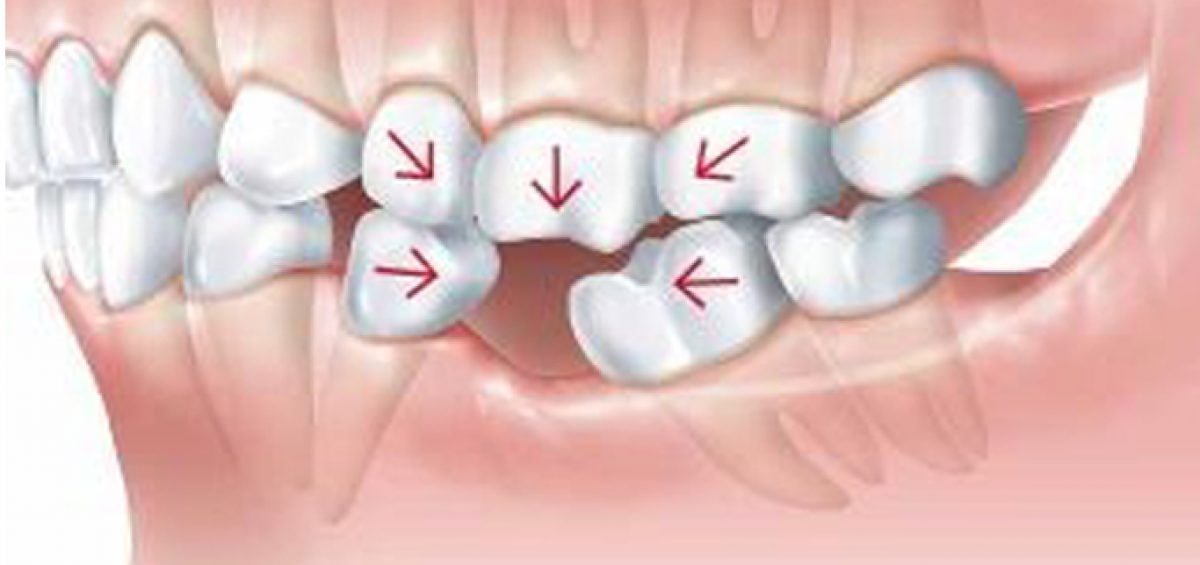
When a tooth is lost, the teeth next to it may move to cover the space, which can lead to misalignment. The exposed gum area also becomes more prone to problems like gum disease. Replacing lost teeth quickly prevents these issues and improves dental health.
Replacing missing teeth is crucial to oral health and aesthetics. From preserving bite alignment to preventing bone loss, the impact of addressing missing teeth extends beyond immediate concerns. At Terracina Surgical Arts, we understand the intricate balance between oral health and overall well-being. Join us on this transformative journey, and rediscover your confidence and well-being with Terracina Surgical Arts.
Gynecomastia Surgery: Embracing Male Redlands Plastic Surgery
In today’s society, the importance of personal appearance knows no bounds. Men, just like women, want to feel confident and look their best. That’s why male cosmetic surgery in Redlands is gaining popularity as more men recognize the value of their appearance.
Gone are the days when cosmetic procedures were solely associated with women. Men are now embracing the idea that they too, can enhance their features and address areas of concern through cosmetic surgery. Whether it’s a desire for a more defined jawline, a sculpted physique, or a refreshed and youthful appearance, men have options to achieve their aesthetic goals.
Modern medicine offers a range of procedures tailored specifically for men. From facial rejuvenation treatments such as Botox and dermal fillers to body contouring procedures like liposuction or gynecomastia surgery, there are solutions available to help men enhance their natural features and boost their self-confidence.
Gynecomastia Surgery: One Of The Most Requested Procedures
Male cosmetic surgery, specifically gynecomastia surgery, has become increasingly popular in Redlands. Gynecomastia refers to the condition of enlarged male breasts, which can be a source of embarrassment and self-consciousness for many men. Fortunately, advancements in cosmetic surgery techniques have made it possible to address this issue effectively.
Gynecomastia surgery involves the removal of excess breast tissue and fat from the chest area, resulting in a flatter and more masculine appearance. Males who have tried numerous methods, including diet and exercise, with no success often seek out this procedure.
In Redlands, specialists in gynecomastia surgery can provide personalized treatment plans tailored to each patient’s unique needs. These surgeons utilize state-of-the-art technology and techniques to ensure optimal results with minimal scarring.
The Benefits Of Gynecomastia
The benefits of gynecomastia surgery extend beyond physical appearance. Many men report increased self-confidence and improved body image following the procedure. This newfound confidence can positively impact their lives, including personal relationships and professional endeavors.
If you are considering gynecomastia surgery in Redlands, it is essential to consult with a board-certified plastic surgeon who has expertise in this specific procedure. They will assess your case and discuss the potential risks and benefits of the surgery.
Male cosmetic surgery is no longer a taboo topic, as more men embrace the idea of taking control over their appearance through safe and effective procedures. With the advancements in surgical techniques available today, individuals seeking this procedure can achieve natural-looking results that enhance their overall well-being.
 An Empowering Reminder
Men should know that caring about their appearance is not about giving in to artificial standards set by others. Rather, it is about empowering themselves and feeling comfortable in their skin. Male cosmetic surgery in Redlands allows men to take control of their appearance and make choices that align with their personal goals.
So gentlemen, if you’ve ever considered exploring the world of cosmetic surgery, know you’re not alone. Men can take care of their looks too, and Terracina Surgical Arts offers a supportive environment where qualified professionals can help you achieve your desired results safely and effectively. Embrace the power of self-care and discover how male Redlands plastic surgery can transform your life with our expertise!
Gynecomastia Surgery: Embracing Male Redlands Plastic Surgery
Whether it’s a desire for a more defined jawline, a sculpted physique, or a refreshed and youthful appearance, men have options to achieve their aesthetic goals with male Redlands plastic surgery.
How to Prepare for Breast Reconstruction: A Guide to a Successful Redlands Plastic Surgery
Breast reconstruction is a process that aims to rebuild the shape and look of a breast after a mastectomy or lumpectomy. It’s an essential part of the healing process for many women who undergo breast cancer treatment. However, preparing for breast reconstruction can be a challenging and emotional journey. To help you navigate this process, here are five essential tips.
- Find a Skilled and Experienced Surgeon
The first and most crucial step toward a successful breast reconstruction journey is finding a skilled and experienced surgeon. Look for a surgeon with extensive experience who can give personalized recommendations based on your unique needs. A qualified surgeon should also be able to guide you through the different types of procedures available and help you make informed decisions.
- Educate Yourself About the Procedure
 Breast reconstruction is a complex procedure, and educating yourself about its different aspects is essential. You can start by researching online or speaking to women undergoing the procedure. learn about the many breast implant varieties, the reconstruction process, and the possible risks and complications. Knowing what to anticipate can aid in mental preparation for the procedure and making informed decisions.
- Getting Ready for the Period of Revival
Breast reconstruction is a substantial procedure that costs money and recovery time. You will need to rest and take some time off work to allow your body to heal. Before the surgery, prepare your home for your recovery period. Stock up on comfortable clothes, prepare meals in advance, and arrange for someone to help you with household chores.
- Make Your Mental Health a Top Priority
Breast reconstruction can be an emotionally challenging experience. It’s essential to prioritize your mental health during this process. Consider consulting a therapist or participating in a support group to help you manage any anxiety or stress. Remember that feeling overwhelmed is okay, and seeking help is a sign of strength.
- Communicate with Your Surgeon and Care Team
 Open and honest communication with your surgeon and care team is crucial to a successful breast reconstruction journey. Be bold, ask questions, express your concerns, or discuss your expectations. Your surgeon and care team are there to support you and guide you through the process.
Preparing for breast reconstruction can be a challenging and emotional journey, but it can also be successful with the proper preparation and support. Remember to find a skilled surgeon, educate yourself about the procedure, prepare for recovery, prioritize your mental health, and communicate with your surgeon and care team. Dr. Punjabi and his team can help if you’re considering breast reconstruction. Contact us today to learn more about our Redlands plastic surgery services and how we can support you.
Redlands Plastic Surgery Demystified: Dispelling Myths and Revealing the Truth Behind the Scalpel
Plastic surgery can be an intimidating topic, especially with all the online information. However, it’s crucial to separate fact from fiction so that you can make a well-informed decision about whether plastic surgery is right for you. Here are some common misconceptions and myths about plastic surgery that need to be dispelled:
Myth #1: Plastic Surgery is Unsafe
Some believe that plastic surgery is a risky procedure. While it’s true that all surgeries come with some level of risk, board-certified plastic surgeons, such as Dr. Punjabi at Terracina Surgical Arts, undergo extensive training and have years of experience in the field. They prioritize patient safety and take every precaution to minimize the risk of complications.
Myth #2: Plastic Surgery Leaves Significant Scarring
Scarring is a common concern for many considering plastic surgery. However, board-certified plastic surgeons use advanced techniques to minimize scarring and make incisions in less visible areas. With proper aftercare and time, scars can fade significantly.
Myth #3: Plastic Surgery Requires a Long Recovery Time
The recovery time for plastic surgery varies depending on the type of procedure, but most have a relatively short recovery period. After proper aftercare, you can return to your routine quickly.
Types of Procedures
Plastic surgery includes several types of procedures, such as:
- Breast Augmentation
- Liposuction
- Facelift
- Rhinoplasty
- Tummy Tuck
Each procedure has benefits and potential risks, which Dr. Punjabi can discuss during a consultation. It is critical to remember that plastic surgery should not be taken lightly, and you should always select a reputable surgeon with a track record of success.
Empowering Readers
At Terracina Surgical Arts, everyone has the right to feel confident and comfortable in their skin. We aim to empower readers to make informed decisions about their Redlands plastic surgery journey by providing accurate information and dispelling myths. If you’re considering plastic surgery, we invite you to schedule a consultation with Dr. Punjabi today and take the first step toward achieving your dream body.
Our team of experienced professionals, led by Dr. Punjabi, is dedicated to providing each patient with safe, effective, and personalized care. Let us help you unlock your true potential and feel confident in your skin.
Jaw Tumors: Definition, Symptoms, Causes, and Treatment
Did you know that abnormal tumors in the jaws affect around 10% of the population? These atypical lesions frequently manifest themselves in the area of an unremoved third molar. Others result from random occurrences, inflammation, or genetics. While they normally don’t do any harm, sometimes they can spread into the jaw bone and cause teeth to shift.
What Are Jaw Tumors?
Odontogenic jaw tumors are a lesion that develops from epithelium or ectomesenchyme leftovers linked with tooth formation. It includes anything from hamartomas to tumors. They are then classified as epithelial, ectomesenchyme, or mixed based on their cell of origin.
They are uncommon growths or lesions in the jawbone or soft tissues of the mouth and face and can range in size and severity depending on their origin. These growths are often noncancerous (benign) but can be aggressive, expanding, dislodging, or destroying the surrounding bone, tissue, and teeth.
Jaw Tumor
Detecting a jaw tumor early is crucial. Bone and jaw cancer symptoms, such as jaw tumors and their symptoms, can be subtle. If you did your monthly self-exam and still aren’t sure, Terracina Surgical Arts is here to help. With expertise in jaw cancer signs and jaw tumor symptoms and management, Dr. Punjabi will erase any doubts and take action if needed. Be vigilant about signs of jaw changes and seek expert care for peace of mind.
What Are the Symptoms?
Tumors in the jaw typically may not show symptoms. They are frequently detected during a regular X-ray. However, inflammation, bone discomfort, numbness, soreness, and unexplained tooth movement can be symptoms. Benign tumors can cause injury to surrounding bone and tissue.
As it evolves, they cause your jaw to grow and weaken over time due to bone loss. Changes to your bite may occur due to the mass, eventually displacing or loosening your teeth. The discomfort and swelling caused by the rapid growth of other tumors is no joke.
Lips, cheeks, the palate, and the gum tissue surrounding the teeth, the tongue, the face, or the neck may all show signs of these alterations. Even with pathology, pain is not always present and curiously, it is not often associated with oral cancer.
 Which Are the Causes?
As we tell, jaw tumors form in cells and tissues that are normally involved with the formation of growing teeth. These tumors can also arise from sources other than the teeth; these “nonodontogenic” tumors might originate in the jawbone or the jaw’s soft tissues. While most jaw tumors have an unknown origin, some have been linked to specific gene alterations (mutations) or inherited disorders.
Treatment
Treatment options vary in efficacy based on the severity of the patient’s symptoms, the tumor’s stage of development, and the type of tumor. Your treatment team considers not only your treatment goals but also your values and preferences when deciding what course of action to suggest.
Surgical removal is the standard method of treatment. Medical therapy, or a combination of medical medicine and surgery, may be necessary for some circumstances.
During the initial appointment, the doctors will ask about your health history, conduct a physical examination, and take any required x-rays. It is crucial to identify the faulty tissue before surgery can begin. After performing a biopsy to identify the lesion, the surgeon will advise you on the most effective course of action for removing the lesion in its entirety while minimizing the likelihood of its recurrence.
During surgery, your doctor will remove the cyst or tumor from your jaw, and any surrounding teeth, tissue, and jawbone, before sending the sample to the lab for analysis. Inside the confines of the operating room, a pathologist studies the tissue being removed and provides a diagnosis in real time, allowing the surgeon to take prompt corrective action.
Are You Suspecting?
See your primary care physician or dentist if you experience symptoms that you believe may be related to a jaw tumor or cyst.
Most time, jaw tumors don’t cause any symptoms and are only found during routine screening X-rays. Your primary care doctor can send you to a specialist for diagnosis and treatment if you have one or think you might have one.
Our staff at Terracina Surgical Arts recommends monthly self-exams because your mouth is one of your most important early warning systems. Don’t ignore any bumps or cuts that look odd. Dr. Punjabi is a highly qualified professional in the management and treatment of jaw tumors in the Inland Empire thanks to his dual board certification in Plastic Surgery and Oral and Maxillofacial Surgery.
Take control of your oral health with Terracina Surgical Arts.
Did you know that jaw cancer symptoms affect a significant portion of the population? Don’t leave your well-being to chance. Our experienced team urges you to perform monthly self-exams as an essential precautionary measure. Early detection is key, so pay attention to any unusual bumps or cuts in your mouth. With Dr. Punjabi’s expertise in the management and treatment of jaw tumors, you can trust that you’re in capable hands. Contact us at (909) 798-9950 and prioritize your oral health today.
How to Recover from Jaw Fractures
A jaw fracture is a broken bone at the joint where your upper and lower jaws meet. It can happen due to a fall or impact on the face or head. A fracture can also occur if an injury damages the jawbone and causes it to break off from its attachment at the skull base. If you have suffered one and you are wondering how to recover from it, there are some things you need to know.
Different Types of Jaw Fractures & Their Treatments 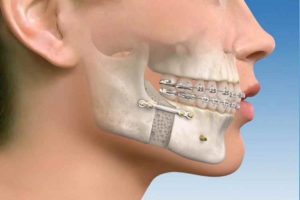
Mandibular ramus fractures very seldom occur independently and almost invariably result from severe, traumatic events. Typically horizontal, the fracture rhyme may run in any direction. The literature on mandibular ramus fractures is sparse. They may be either vertical, horizontal, or both.
● Vertical fracture. The ramus’s outer surface serves as the starting point for the fracture rhyme, which continues to the sigmoid notch.
● Horizontal fracture. The ramus’s fracture rhyme extends from the bone’s outside to its inside.
● Combined fracture. The fractures are both vertical and horizontal.
The treatment for these types of jaw fractures depends on the type and location. Open jaw fractures generally need stitches, while closed and comminuted ones require surgery to fix them properly.
Ways to Recover from a Jaw Fracture
There are many ways to recover from a jaw injury after surgery or treatment, such as rest, ice packs, and pain medications to ease the discomfort.
Patients will receive pain medication and antibiotics after surgery to recover from a fractured jaw. Using cold packs on the injured area will help reduce swelling and promote healing.
A Well-Rounded Recovery Plan
A jaw fracture requires basic recovery knowledge. Following these five steps will ensure that your efforts are fruitful.
Step 1: Stop all activities that cause pain or discomfort.
Step 2: Rest your jaw in a position of comfort for at least two weeks.
Step 3: Apply ice packs for 20 minutes every four hours during the first week.
Step 4: Begin using a sling or splint after the first week if you continue to experience pain or discomfort in your mouth and jaw area
Step 5: Return to normal activities once you have healed completely
Let an Expert Take Care of Everything!
You need to call a professional if you fracture your jaw. You can rely on the skilled staff at Terracina Surgical Arts to help you through this quick and necessary procedure. The antibiotics and painkillers we provide will speed up the recovery time. Also, you’ll learn what you can do to keep your mouth and teeth healthy in the future. We care about your well-being and are here to help you out.