





Terracina Surgical Arts
Post-Surgical Healing for Jaw Surgeries: The Importance of Proper Nutrition
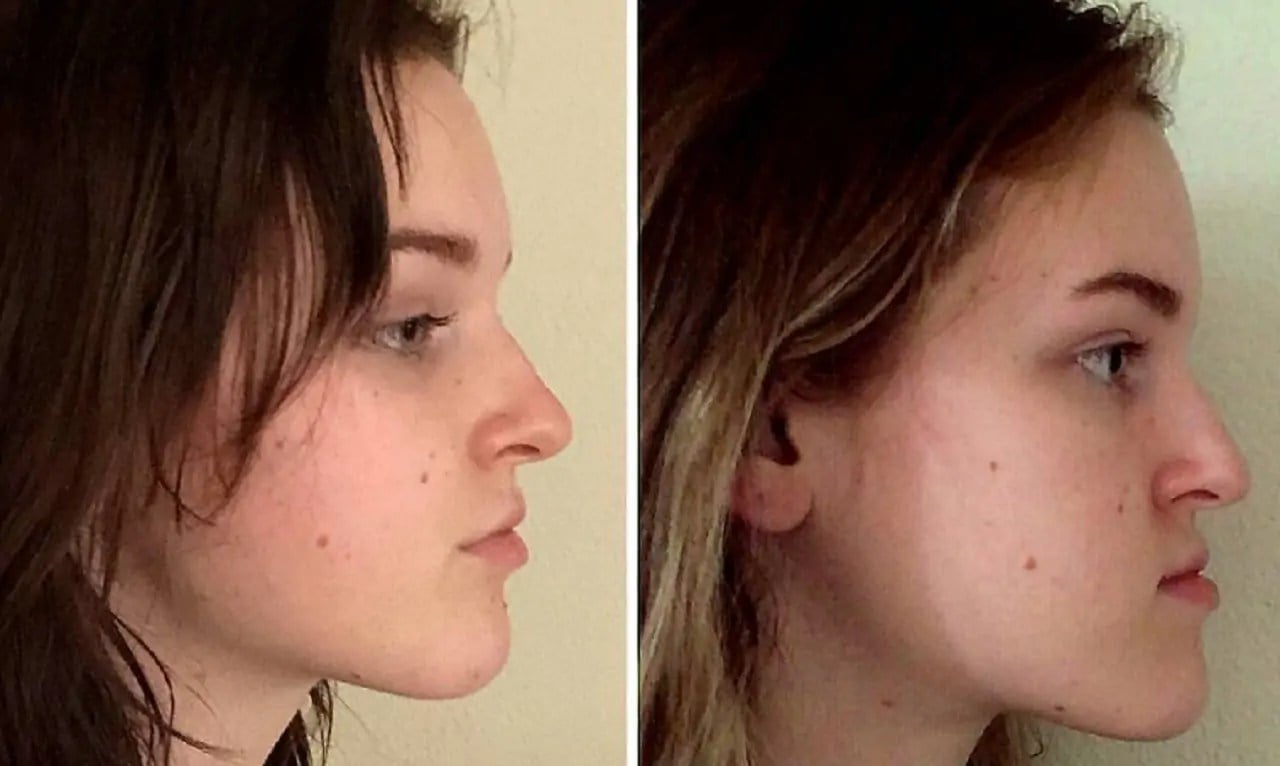
Recovering from surgery can be a challenging journey, especially for conditions involving fractures. Beyond medical care and rest, one crucial aspect that significantly impacts recovery is nutrition. Proper nutrition can help accelerate the healing process, strengthen immunity, and ensure that your body has the resources to rebuild and repair tissue.
Why Nutrition Matters After Jaw Surgery
When you undergo surgery to address jaw fractures, your body is in a state of heightened repair. It requires additional nutrients to rebuild bone, heal tissues, and fight off potential infections. Without proper nutrition, recovery may take longer, and complications such as inflammation or delayed wound healing may arise.
The jaw plays a central role in chewing and digestion, which can complicate eating during recovery. Adjusting your diet to include nutrient-dense, easy-to-consume foods is critical for a smooth healing process.
 Essential Nutrients for Healing
To promote effective recovery, focus on incorporating these key nutrients into your diet:
- Protein
Proteins are the building blocks of your body’s tissues. After surgery, your protein requirements increase to support wound healing and tissue regeneration. Include sources such as:
- Soft meats like chicken or fish (pureed if needed)
- Greek yogurt
- Protein shakes or supplements
- Calcium and Vitamin D
Bone healing is a priority after a jaw fracture, and calcium and vitamin D are essential for this process. Calcium strengthens bones, while vitamin D helps the body absorb calcium effectively. Foods rich in these nutrients include:
- Dairy products (milk, cheese, yogurt)
- Fortified plant-based milk
- Leafy green vegetables
- Vitamin C
This vitamin boosts collagen production, a protein essential for wound healing and tissue repair. Foods like oranges, strawberries, and bell peppers are excellent sources of vitamin C.
- Zinc
Zinc supports the immune system and aids in wound healing. It can be found in soft, easy-to-eat foods like eggs, beans, and oatmeal.
- Healthy Fats
Fats provide energy and reduce inflammation, which is critical in the recovery process. Include healthy fats like avocados, olive oil, and nut butters in your diet.
Tips for Managing Post-Surgery Nutrition
Eating after surgery, especially when dealing with jaw fractures or jaw tumors removal can be tricky due to jaw immobility or discomfort. Here are some practical tips:
- Stick to Soft Foods
Soft and blended foods are easier to consume without putting stress on your jaw. Consider options like:
- Soups and broths
- Smoothies packed with fruits, vegetables, and protein powder
- Mashed potatoes or pureed vegetables
- Hydration Is Key
Staying hydrated is essential for recovery. Choose nutrient-rich fluids such as milk, herbal teas, and electrolyte-rich drinks to maintain hydration and energy levels.
- Small, Frequent Meals
Large meals may be challenging to eat, so opt for smaller, nutrient-packed meals throughout the day to ensure you meet your nutritional needs.
- Avoid Certain Foods
Steer clear of hard, crunchy, or sticky foods that may strain your jaw or disrupt healing. Additionally, avoid excessively hot or spicy foods that could irritate surgical sites.
The Role of Nutrition in Healing Jaw Fractures and Tumors
For patients recovering from surgery for a jaw fracture proper nutrition directly supports bone regrowth and tissue repair. Calcium, protein, and other vital nutrients form the foundation for strong and healthy bone reconstruction.
For those who have undergone treatment for jaw tumors, nutrition helps the body recover from both the surgical procedure and any associated treatments, such as radiation therapy. In such cases, maintaining a nutrient-dense diet can improve energy levels, reduce fatigue, and enhance overall recovery.
 The Emotional Benefits of Good Nutrition
A well-rounded, nutrient-rich diet doesn’t just support physical recovery; it also improves mental well-being. A balanced diet can:
- Boost energy levels, keeping you motivated during recovery
- Enhance mood by stabilizing blood sugar levels
- Reduce stress by supporting overall health and resilience
Taking care of your nutrition allows you to focus on other aspects of your recovery, like rest and following your doctor’s recommendations.
Partnering with Experts for a Smoother Recovery
Recovering from surgeries can feel overwhelming, but you don’t have to do it alone. At Apunjabi, we prioritize your health and provide expert guidance every step of the way.
Our team in Redlands, California, specializes in personalized care, from precise surgical techniques to tailored recovery plans. We combine advanced medical expertise with compassionate support to help you achieve the best possible outcomes.
Let us be part of your journey to recovery. Schedule a consultation today to learn how our comprehensive approach can transform your healing process. With our help, you can achieve optimal results and get back to living your best life.
A New Smile in Just One Day: 7 Benefits of All-on-Four Implants
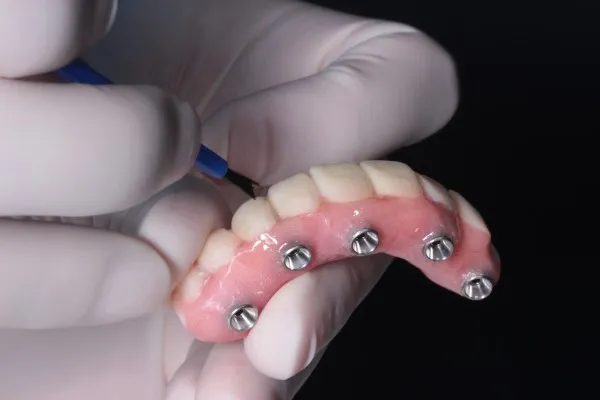 Losing a full arch of teeth can feel overwhelming, especially when it comes to finding the right replacement that feels stable, natural, and enhances your quality of life. Traditional procedures, like preparation for dentures or mobile ones, usually do not deliver the comfort and functionality you deserve. Fortunately, Terracina Surgical Arts offers All-on-Four dental implants, a transformative alternative that prioritizes your comfort and long-term well-being. This innovative technique doesn’t just replace missing teeth—it gives you back the freedom to smile, speak, and eat with confidence.
What Are All-on-Four Dental Implants?
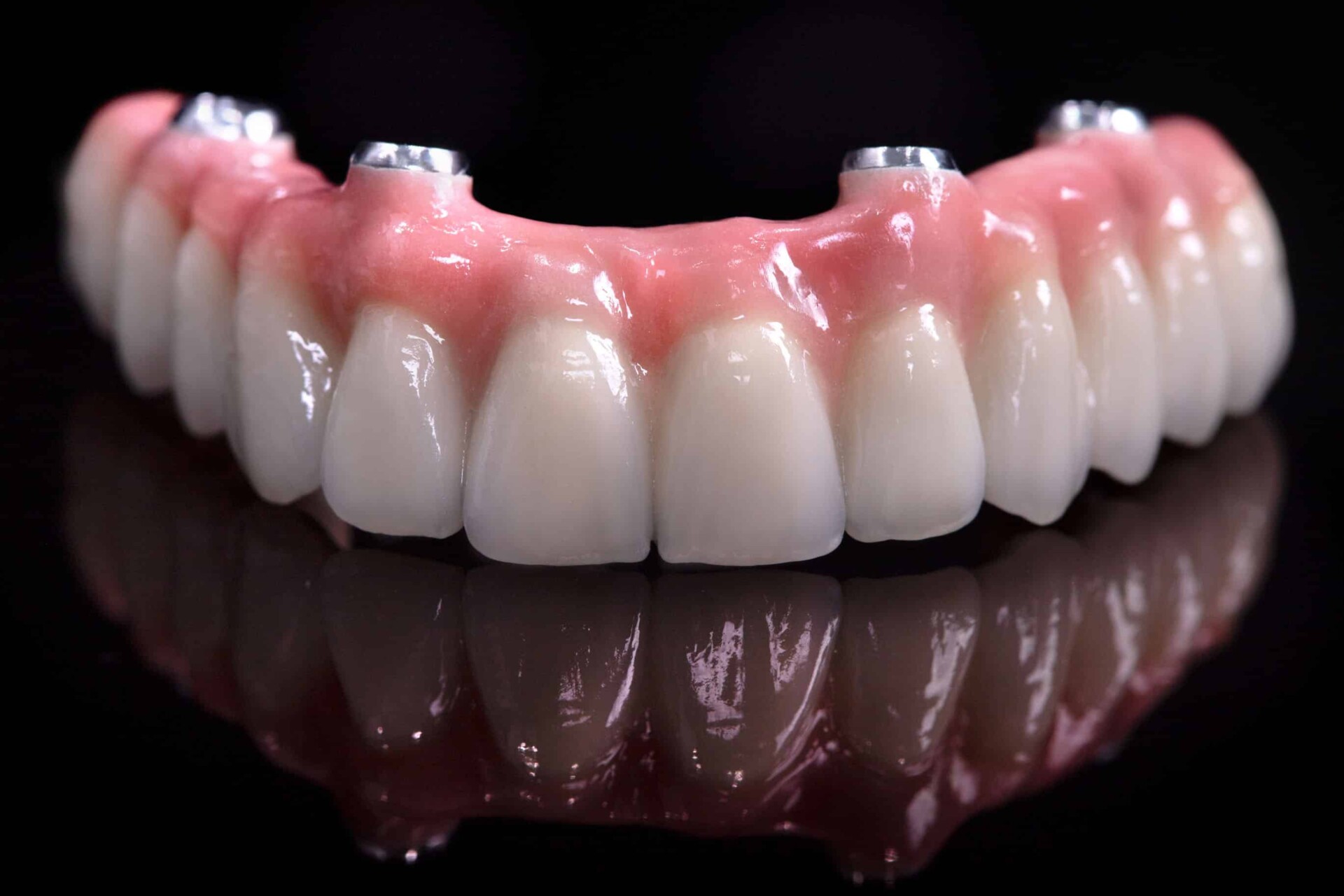 All-on-Four dental implants are an innovative, streamlined solution for those needing a full-arch restoration. This method involves placing just four implants in the jaw, which securely support a complete set of replacement teeth. Unlike traditional methods that may require multiple implants for each missing tooth, All-on-Four simplifies the process, providing a stable and natural-feeling result in fewer visits. Strategic angulation of the implants maximizes support, often eliminating the need for bone grafting and reducing the recovery period. With All-on-Four, you gain a comfortable, durable solution that enhances both function and appearance, supporting a confident, lasting smile.
Better Aesthetic Appearance
One of the most visible benefits of All-on-Four implants is that they make you look better right away. A lack of teeth can change the shape of your face, making you look sunken. By supporting the jawbone and muscles around it, these implants help keep the structure of the face, giving it a fuller, younger look. Specially crafted to mimic the appearance and feel of real teeth, the fake teeth attached to the implants enhance your smile. This helps you smile with confidence.
Boost in Chewing Function and Speech Clarity
All-on-Four implants restore function similar to natural teeth, which makes it much easier to chew a lot of different foods. Traditional dentures can slip, making it difficult to eat certain foods. These implants, on the other hand, are stable enough that patients can eat all of their favorite foods. Additionally, patients often notice an improvement in the clarity of their speech because the false teeth stay in place, unlike traditional dentures that can move around while talking.
Preservation of Jawbone Health
With the All-on-Four system, the jawbone gets the support it needs, which helps stop the bone loss that usually happens after losing a tooth. Without teeth, chewing pressure doesn’t give the jawbone the energy it needs, which causes bone loss over time. All-on-Four implants work like fake roots, applying the right amount of pressure to keep bone density and shape, which is important for both oral and facial health.
Streamlined Maintenance and Care
An important benefit of All-on-Four implants is the minimal maintenance they require. Unlike removable dentures, which necessitate special cleansing solutions and daily removal, All-on-Four implants are virtually undetectable. Most of the time, maintaining good oral hygiene with prosthetic teeth is as simple as brushing and flossing daily and visiting your dentist frequently. Patients seeking a solution that easily integrates into their daily routines can greatly benefit from streamlined maintenance.
Swift Recovery and Immediate Results
All-on-four implants are usually put in during a single surgery, which makes them a quick and easy choice for many people. Most people can get their implants and a temporary set of fake teeth on the same day, which means they can leave the center with a new smile. Placing all the implants at once initiates the healing process immediately, reducing the number of visits and recovery time. After some time of healing, the last set of strong, custom-fit prosthetic teeth is put in place, providing a long-lasting and permanent answer.
Confidence and Quality of Life
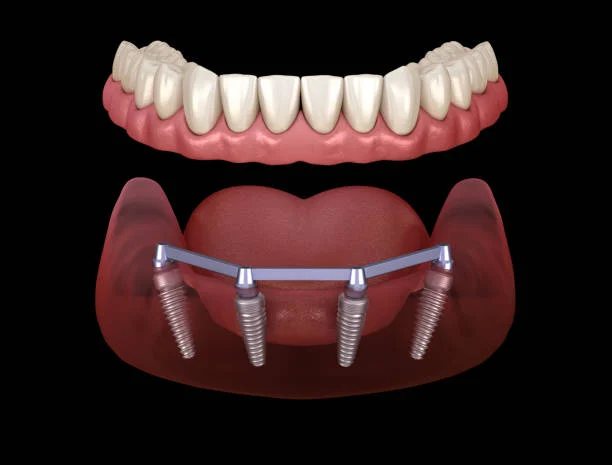 By giving you a natural-looking smile and better oral function, the All-on-Four method has a hugely positive effect on your mental health. Many patients say they feel more confident now that they don’t have to worry about their teeth moving or gaps in their smiles when they talk, laugh, or eat. This higher confidence often goes beyond oral health and has a good effect on relationships and quality of life in general.
Transform Your Smile with Expert Oral Surgery Care
At Terracina Surgical Arts, our oral surgery practice for dental implants is dedicated to helping patients reclaim confidence, function, and aesthetics with every smile. Dental implants offer life-changing results, acting as secure, natural-looking foundations that replace missing teeth and preserve facial structure. With the expertise of Dr. Anil Punjabi, a board-certified oral and maxillofacial surgeon, patients gain the ability to eat, speak, and smile without worry. Begin your journey to a more confident smile today—call us at (909) 798-9950 to schedule your consultation at Terracina Surgical Arts in the Inland Empire.
Dental Implants vs. Other Tooth Replacement Options: Why Oral Surgery is the Best Choice
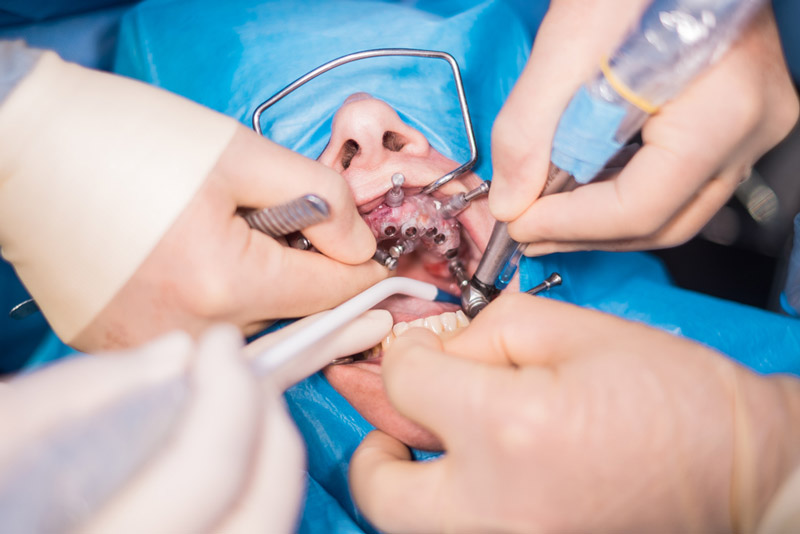 When it comes to replacing missing teeth, there are several options available. While dentures and bridges have been common solutions, dental implants have become the gold standard for tooth replacement. The key to successful implant treatment lies in the hands of a skilled oral surgeon. At Terracina Surgical Arts, Dr. Punjabi and his team specialize in providing top-tier care through advanced oral surgery techniques, ensuring long-lasting and reliable results for patients seeking dental implants.
In this blog, we’ll explore the differences between dental implants and other tooth replacement options, and why choosing an oral surgery practice for dental implants is the best choice for restoring your smile.
- Understanding Your Tooth Replacement Options
When replacing missing teeth, patients typically have three main options:
Dentures: Removable appliances that replace one or more missing teeth. While dentures are non-invasive and affordable, they can be uncomfortable and may shift while eating or speaking.
Dental Bridges: Fixed restorations that use adjacent teeth as support. Bridges, while more stable than dentures, necessitate the modification of healthy teeth and may require replacement after a few years.
Dental Implants: Surgically inserted into the jawbone, implants serve as a permanent and stable foundation for crowns, bridges, or dentures.
While each option has its pros and cons, dental implants are widely considered the most durable, comfortable, and natural-looking solution. With the expertise of an oral surgeon like Dr. Punjabi, patients can expect superior results that other tooth replacement methods may not achieve.
- Why Choose Dental Implants?
Dental implants offer several key benefits that set them apart from other tooth replacement options:
Longevity: With proper care, implants can last a lifetime, making them a long-term investment in your oral health.
Natural Appearance: Implants are customized to blend seamlessly with your natural teeth, providing a more aesthetically pleasing result.
Bone Health: Implants stimulate the jawbone, preventing bone loss that often occurs with missing teeth or other replacement methods like dentures.
Stability: Unlike dentures, which can shift or become loose, dental implants provide a secure, fixed solution that allows patients to eat, speak, and smile with confidence.
Given these advantages, dental implants are the most reliable and effective option for tooth replacement. However, the success of an implant depends largely on the skill and experience of the oral surgeon performing the procedure.
- The Importance of an Oral Surgery Practice for Dental Implants
 Choosing an oral surgery practice for dental implants ensures that you’re receiving the highest level of care from a specialist. Dr. Punjabi is a board-certified oral surgeon with years of experience in performing dental implant surgeries. His expertise ensures that patients receive safe, precise, and efficient treatment for the best possible outcomes.
Dr. Punjabi at Terracina Surgical Arts employs advanced technology and surgical techniques to ensure that implants are placed correctly, minimizing the risk of complications. His practice also offers comprehensive pre-surgical evaluations to ensure that patients are suitable candidates for implants, maximizing the chances of long-term success.
- Why Oral Surgery is the Best Choice
While some dental professionals offer implants as part of their services, choosing a specialized oral surgery practice for dental implants ensures a higher level of expertise and care. Oral surgeons like Dr. Punjabi possess extensive training in both the surgical and restorative aspects of implant placement, along with other complex procedures such as wisdom teeth extractions, treatment of jaw fractures, and removal of jaw tumors. This specialized knowledge guarantees that your procedure is performed with the utmost precision, care, and skill.
In addition, oral surgery practices are equipped to handle more complex cases, such as patients with insufficient bone density or other medical concerns that may affect implant success. This makes an oral surgery practice the best choice for patients who want a reliable, long-term solution for tooth replacement.
Trust the Experts at Terracina Surgical Arts
When it comes to replacing missing teeth, dental implants offer unmatched stability, durability, and aesthetic appeal. Patients who choose dental implants at Terracina can be confident in the expert care they receive, specifically tailored to their unique needs.
At Terracina Surgical Arts, Dr. Punjabi and his team are committed to delivering exceptional results through state-of-the-art techniques and personalized care. If you’re considering dental implants, contact us today to schedule a consultation and learn why oral surgery is the best choice for your smile.
Advanced Surgical Solutions for Complex Wisdom Teeth Removal
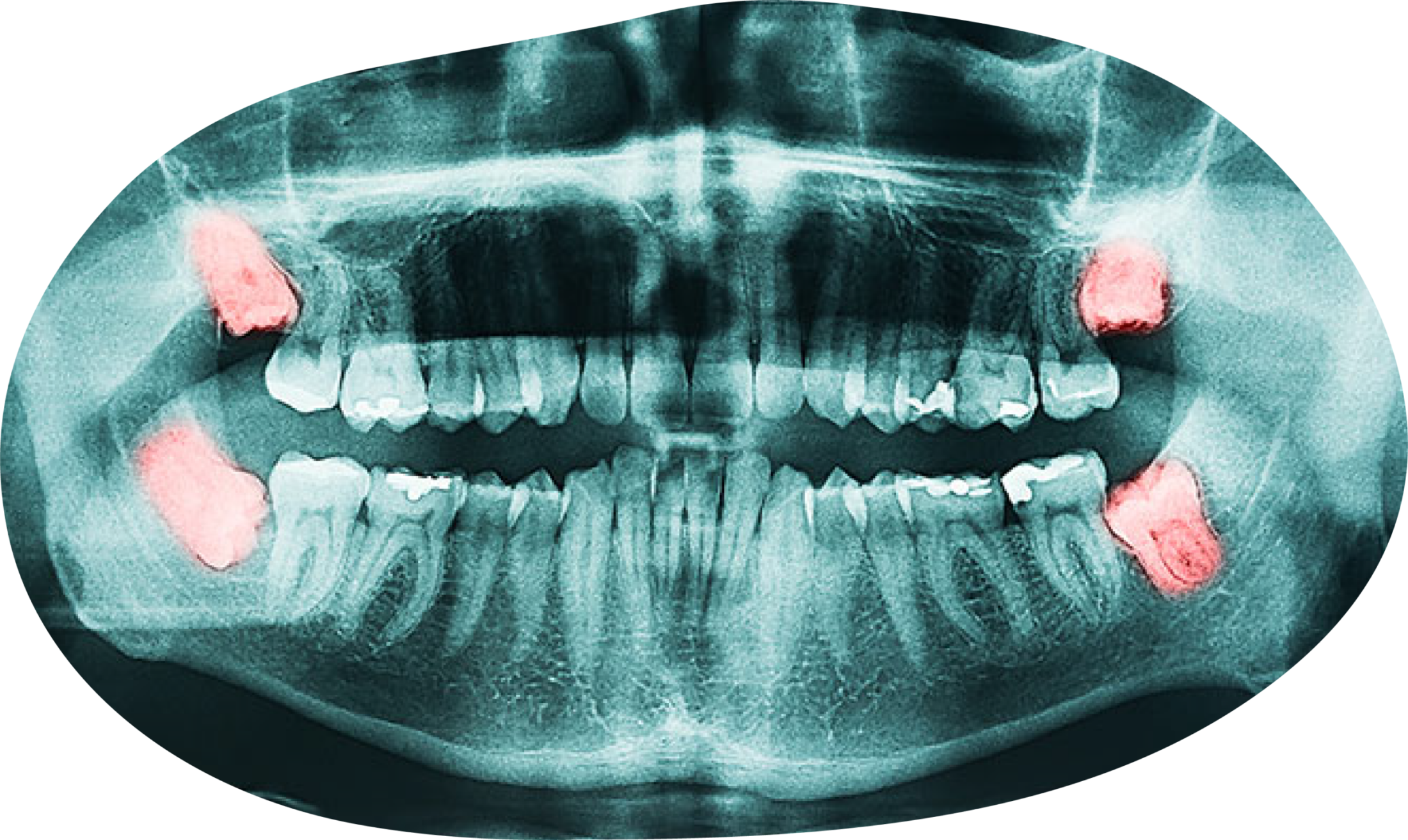
Wisdom teeth, or third molars, are often a source of discomfort and concern as they emerge during late adolescence or early adulthood. While many people have uneventful wisdom tooth extractions, others face more complex situations requiring advanced surgical intervention. This is where the expertise of a seasoned oral surgeon becomes crucial. At Terracina Surgical Arts, led by the highly experienced Dr. Punjabi, we specialize in providing advanced surgical solutions for even the most challenging wisdom and teeth extractions.
Understanding the Complexity of Wisdom Teeth Extractions
Not all wisdom tooth removals are created equal. While some can be straightforward, others may involve impacted teeth, misalignment, or proximity to vital structures like nerves and sinuses. These complexities can lead to increased risks during extraction, including nerve damage, infection, and prolonged recovery times.
- Impacted Wisdom Teeth: When wisdom teeth do not have enough space to emerge properly, they may become impacted, remaining partially or completely trapped within the jawbone or gum tissue. Impacted teeth can lead to pain, swelling, and even damage to adjacent teeth. Surgical intervention is often required to remove the teeth safely.
- Proximity to Vital Structures: Wisdom teeth located near critical anatomical structures, such as the inferior alveolar nerve or the maxillary sinus, require a delicate approach. Precision is essential to avoid complications such as nerve injury or sinus perforation.
- Root Morphology: The shape and size of wisdom teeth’s roots can vary significantly. Some roots may be curved or intertwined with surrounding bone, making extraction more challenging. In these cases, advanced surgical techniques are necessary to minimize trauma to the surrounding tissues.
The Role of Oral Surgery in Complex Wisdom Teeth Extractions
Oral surgery is the gold standard for managing complex extractions. Dr. Punjabi, an experienced oral surgeon, has the specialized skills and knowledge required to handle these challenging cases effectively. At Terracina Surgical Arts, we equip our team with the latest technology and techniques to ensure every patient receives the highest level of care.
- Advanced Imaging Techniques: We utilize state-of-the-art imaging technology, such as cone beam computed tomography (CBCT), to create detailed 3D images of the teeth, jawbone, and surrounding structures. This allows for precise planning and execution of the surgical procedure, minimizing the risk of complications.
- Sedation and Anesthesia Options: Complex extractions often require more than just local anesthesia. We offer a range of sedation options, including intravenous (IV) sedation and general anesthesia, to ensure that patients remain comfortable and pain-free throughout the procedure.
- Minimally Invasive Techniques: Whenever possible, we employ minimally invasive surgical techniques to reduce tissue damage, minimize swelling, and promote faster healing. These techniques may include smaller incisions, specialized instruments, and advanced suturing methods.
The Importance of Post-Surgical Care
Post-surgical care is crucial, especially for complex wisdom and teeth extractions. Proper care can greatly reduce complications and promote faster healing. Dr. Punjabi and his team provide comprehensive pain management strategies, including medications and detailed post-operative care instructions to minimize discomfort. To prevent infection, patients receive guidelines on maintaining oral hygiene after surgery, such as using antiseptic mouthwash and following a gentle brushing routine. Dr. Punjabi schedules regular follow-up appointments to monitor healing and address any concerns, ensuring each patient achieves the best possible outcome under his attentive care.
Final Thoughts: Your Path to a Smooth Recovery
Choosing the right oral surgeon for complex wisdom tooth extractions is essential for a safe and successful outcome. At Terracina Surgical Arts, Dr. Punjabi and his team offer advanced surgical expertise, personalized care, and the latest technology to ensure every patient experiences the best possible results. If you’re facing a challenging extraction, trust Terracina Surgical Arts to provide the skilled care you need for a smooth recovery and optimal oral health.
Unlock Your Best Skin: The Essential Guide to Chemical Peels
 Is your skin in need of a transformation? Chemical peels offer a safe, effective solution to rejuvenate and enhance your complexion. This essential guide dives deep into how chemical peels can improve your skin’s texture, tone, and radiance. Discover everything you need to know to make an informed decision about whether this popular non-invasive treatment is right for you. Your journey to glowing, healthier skin starts here.
What Are Chemical Peels and How Do They Work?
Dermatologists perform chemical peels to remove the top layers of skin using an acidic solution. Chemical peels stimulate the production of new skin cells, exposing newer, healthier skin. You can choose from superficial, medium, or deep peels, each with its own level of rejuvenation and effectiveness against specific skin concerns.
- Superficial Peels: Superficial peels are a gentle way to exfoliate the skin’s surface using acids like alpha-hydroxy acids (AHAs). You can use them to make your skin look smoother and more even-toned.
- Medium Peels: This type of peel uses stronger acids, such as trichloroacetic acid (TCA), to address moderate skin discoloration, fine wrinkles, and age spots by penetrating both the outer and middle layers of the skin.
- Deep Peels: For more serious skin issues such as deep wrinkles, scars, and substantial discoloration, phenol or high-strength TCA is used to penetrate the skin deeply.
The Benefits of Chemical Peels
There are a lot of ways in which chemical peels can help you seem healthier and more youthful. Some of the main benefits are:
- Improved Skin Texture and Tone: Chemical peels can make your skin look smoother and more even-toned by removing harsh spots.
- Reduction of Fine Lines and Wrinkles: Wrinkles and fine lines, especially around the lips and eyes, can be diminished with the use of chemical peels since they increase collagen formation.
- Treatment of Acne and Acne Scars: After a chemical peel, your skin is clearer, which helps with pore unclogging, irritation reduction, and scar reduction.
- Reduction of Hyperpigmentation: Chemical peels can greatly lighten sun spots, melasma, and dark spots, resulting in fairer skin.
What to Expect: The Chemical Peel Process from Consultation to Recovery
To make sure everything goes smoothly, a good idea is to familiarize yourself with the chemical peel procedure. So, here’s what to expect:
Consultation
It all starts with a comprehensive consultation with a trained skincare expert. At Terracina, we will assess your skin type, issues, and objectives during this appointment to determine the best peel for you. To make sure you’re safe, we’ll look over your medical history and see what medications you’re on.
Pre-Treatment Preparation
Depending on the type of peel, there is usually a recommended skincare routine. Exfoliants, such as retinoids, are usually used to prepare the skin for more effective results.
The Procedure
On the day of the peel, your skin will receive the chemical solution after a thorough cleansing. The process could take anything from a few minutes for a superficial peel to more than an hour for a deep one, depending on the depth of the peel. A tingling or burning feeling could occur while you apply it.
Post-Treatment Care
Your skin will be extra delicate after a peel. After your treatment, your physician will go over all the necessary steps to take, such as using a mild cleanser, moisturizer, and sunscreen. You must not expose yourself directly to the sun, and you must not pick or peel the skin.
Recovery
Your peel’s depth determines how long it will take for you to recover. Minimal downtime, moderate redness, and flaking are common side effects of superficial peels. After a medium peel, you can see some redness and peeling for up to a week. Deep peels, which have the longest healing periods (often weeks), feature significant peeling and possible swelling.
Debunking Chemical Peel Myths: Separating Fact from Fiction
Many people hold misconceptions about chemical peels, despite their effectiveness. That’s why we’ve compiled and busted a few of the most widespread misconceptions.
Myth: Peelings can be done by any aesthetician and in any beauty salon.
- Fact: Chemical peels should be performed by licensed and trained professionals, such as dermatologists or medical aestheticians, in a controlled and sterile environment. This ensures the procedure’s safety and effectiveness, minimizing the risk of complications.
Myth: Chemical peels are painful and dangerous.
- Fact: Chemical peels, when administered by an experienced specialist, are mostly safe, however, they can cause some discomfort for the patient. Typically, the feeling is bearable and short-lived.
Myth: Chemical peels are only for people with severe skin issues.
- Fact: Any skin type or issue, from minor textural imperfections to severe pigmentation disorders, can benefit from a chemical peel.
Myth: Chemical peels require a long recovery time.
- Fact: As we previously learned, the recovery time varies depending on the depth and type of peeling. Many superficial peels necessitate minimal to no downtime for recovery.
Now that we’ve explored peelings, from the process to the myths surrounding them, we hope you’ll be able to make an educated choice and enjoy the benefits of this treatment. At Terracina Surgical Arts, our expert team, led by Dr. Punjabi, offers a range of skin enhancement services, including chemical peels, to help you achieve glowing, youthful skin.
Our practice is renowned not only for exceptional oral surgery practice for dental implants but also for providing top-tier cosmetic procedures. Experience the transformative effects of chemical peels in a professional, caring environment. Let us help you reveal your radiant skin while addressing all your oral surgery and skin care needs.
Everything About Male Plastic Surgery That Every Man Needs to Know
 Plastic surgery is becoming increasingly popular among men as a method of enhancing their physical attractiveness and self-esteem. Even though women previously primarily sought cosmetic surgery, the number of male patients seeking to improve their appearance is increasing. It is advisable to conduct research and be aware of the potential outcomes before deciding to undergo plastic surgery.
Common Procedures for Men
Men and women both seek out plastic surgery; however, there are some operations that males seek out more than women. Here are some of the most frequently requested procedures:
- Rhinoplasty: Rhinoplasty is a common procedure for men seeking better breathing, improving facial harmony, or fixing nasal abnormalities.
- Liposuction: This technique helps men achieve a slimmer physique by eliminating persistent fat deposits, typically in areas like the chest, flanks, and abdomen.
- Gynecomastia Surgery: This surgical procedure, which addresses large male breasts, results in a more masculine and flat chest contour.
- Facelift and Neck Lift: By reducing wrinkles and tightening sagging skin, these procedures help men reduce the signs of aging.
- Eyelid Surgery: A more awake and younger look is the goal of this procedure, which men desire by removing extra skin and fat from the eyelids.
- Hair Transplantation: For men experiencing hair loss, hair transplantation is an alternative that can help them regain a denser mane.
Pre-Operative Preparation
For the best possible surgical experience and outcomes, it is crucial to be well-prepared. You need to do the following before surgery:
- Follow Pre-Operative Instructions: Be careful to follow your surgeon’s orders, such as not taking any supplements or medications that can make you bleed more.
- Maintain a Healthy Lifestyle: To put your body in the best condition for surgery, eat a balanced diet, drink plenty of water, and exercise regularly.
- Quit Smoking: Cigarette smoking raises the probability of problems and slows the healing process. Avoid using cigarettes for a few weeks before and after surgery.
- Arrange Post-Surgery Care: During the first few days of rehabilitation, you might not be able to move around much and will likely require someone to help you get around.
Post-Operative Care and Recovery
Every patient and treatment is unique, and so is the recovery time. We’ve got some general tips to help you get back on your feet quickly and ensure a swift recovery:
- Follow Post-Operative Instructions: Concerning wound care, medication management, and activity restrictions, be sure to follow your surgeon’s post-operative care recommendations to the letter.
- Attend Follow-Up Appointments: To ensure proper recovery and address any concerns, it’s important to see your surgeon for follow-up appointments at regular intervals.
- Be Patient: Stay patient; getting well takes time. Although you may experience some swelling, bruising, and pain at first, these side effects should go away after a while.
- Avoid Strenuous Activities: Do not resume vigorous exercise, heavy lifting, or any other physically demanding activity until your surgeon gives you the all-clear.
Realistic Expectations
For a successful plastic surgery procedure, it is essential to have realistic expectations. It may improve your look, but it’s not a panacea, and everyone’s experience will be different. The majority of operations do not cause noticeable changes but rather subtle enhancements. Although plastic surgery can delay the effects of aging, it cannot reverse them; therefore, subsequent surgeries will be necessary for maintenance.
Feeling better about yourself and more content with your appearance are the end goals. With the right information, including the reasons behind it, the typical treatments, and the factors to think about, men may make educated selections and have the best possible results when they visit a skilled surgeon.
Choosing the right place for your plastic surgery is essential to achieving the best results. At Terracina Surgical Arts, Dr. Punjabi offers unparalleled attention and care, ensuring you feel comfortable and confident throughout your journey. At our clinic, we understand the unique needs of men seeking cosmetic enhancements. From balancing your nose to rejuvenating your face, jaw fractures, or trimming your waistline, our experienced team considers factors such as skin thickness, beard growth, and body type. Trust us to provide the highest-quality care and expertise.
The Role of Wisdom Teeth in Dental Health: Impact on Dental Health and Benefits of Removal
 Wisdom teeth, the third set of molars that typically emerge in the late teens or early twenties, have long been a topic of discussion in the realm of dental health. While they may seem innocuous, these teeth can have a significant impact on overall oral wellness. In this blog post, we’ll delve into the role of wisdom teeth in dental health and explore why their removal can sometimes be beneficial for long-term oral wellness.
The Purpose of Wisdom Teeth
Evolutionarily speaking, wisdom teeth served a crucial role in our ancestors’ diets, which often consisted of coarse foods that required more chewing power. However, as our diets evolved and became softer over time, the need for these additional molars diminished. Despite this shift, many individuals still develop wisdom teeth, but not everyone experiences issues.
Potential Problems Associated with Wisdom Teeth
For some, the emergence of wisdom teeth can lead to various dental issues. Overcrowding, misalignment, impaction (when the tooth is trapped beneath the gum line), infection, and cyst formation are some of these problems. Even when wisdom teeth erupt without complications, their location at the back of the mouth can make them challenging to clean properly, increasing the risk of decay and gum disease.
The Impact on Overall Dental Health
The presence of problematic wisdom teeth can have far-reaching effects on overall dental health. Misaligned or impacted wisdom teeth may cause discomfort, pain, and inflammation in the surrounding gums and adjacent teeth. Additionally, the difficulty in cleaning these teeth effectively can contribute to a higher risk of cavities and gum infections, potentially leading to more extensive dental treatments down the line.
Advantages of Wisdom Teeth Removal
While not everyone requires wisdom teeth removal, it’s often recommended in cases where the teeth are causing problems or are at risk of doing so in the future. By extracting problematic wisdom teeth, individuals can alleviate discomfort, reduce the risk of oral infections, and prevent damage to adjacent teeth and surrounding tissues. Furthermore, removing wisdom teeth proactively can help maintain proper alignment and prevent future orthodontic issues.
In summary, wisdom teeth play a complex role in dental health, and their presence can impact oral wellness in various ways. While not everyone will experience issues with their wisdom teeth, those who do may benefit from their removal to prevent complications and maintain long-term oral health. Consulting with a dental professional is essential for evaluating the need for wisdom teeth extraction and determining the best course of action for each individual’s dental care. By understanding the role of wisdom teeth and the potential benefits of removal, individuals can make informed decisions to safeguard their smiles for years to come.
 If you find yourself grappling with the discomfort and complications of wisdom teeth, it’s time to take action towards reclaiming your oral health and overall well-being. Dr. Anil Punjabi, a renowned expert in both cosmetic and reconstructive plastic surgery, as well as oral and maxillofacial surgery, extends his expertise to those seeking relief from wisdom teeth-related issues.
At Terracina Surgical Arts, located in Redlands, California, Dr. Punjabi offers a comprehensive range of services tailored to address your needs. From routine wisdom and teeth extraction to complex maxillofacial and oral surgery practice for dental implant procedures, Dr. Punjabi’s unparalleled skill and compassionate care ensure a transformative experience.
Don’t let the discomfort and uncertainty surrounding your wisdom teeth hold you back. Take the first step towards a brighter, healthier smile by scheduling a consultation with Dr. Punjabi today. With his expertise and dedication to patient satisfaction, you can trust Terracina Surgical Arts to guide you on a journey towards optimal oral health and renewed confidence.
Blepharoplasty: Myth vs. Reality – Debunking Common Misconceptions
 In the field of cosmetic surgery, people revere blepharoplasty as a transformative procedure that can rejuvenate the eyes and restore a youthful, refreshed appearance. Yet, despite its widespread popularity and proven efficacy, myths and misconceptions persist, casting shadows of doubt and uncertainty over its true nature and outcomes.
Welcome to this enlightening journey where we’ll delve into the depths of these misconceptions, separating fact from fiction, and shed light on the truths that underpin this remarkable surgical art, as well as unravel the mysteries surrounding blepharoplasty, equipping you with the necessary knowledge to navigate the landscape of cosmetic enhancement with clarity and confidence.
Myth #1: Blepharoplasty is purely cosmetic
Reality: The misconception that blepharoplasty is solely a cosmetic procedure fails to acknowledge its multifaceted nature and the significant functional benefits it can offer. Blepharoplasty can also provide valuable functional improvements, such as restoring peripheral vision obstructed by excess skin or correcting eyelid malpositions that cause discomfort or irritation. Moreover, blepharoplasty can alleviate symptoms associated with conditions such as ptosis (drooping of the eyelid) or ectropion (outward turning of the eyelid), enhancing both visual clarity and ocular comfort.
Myth #2: Blepharoplasty always leads to an unnatural, “plastic” look
Reality: A skilled surgeon prioritizes a natural outcome. By tailoring the procedure to the patient’s specific needs and anatomy, they can deliver results that appear refreshed and youthful without compromising the natural aesthetics of the face.
Also, they strategically place incisions within the eyelid crease or along the lash line to minimize scarring. The focus is on subtle improvements that restore youthful alertness to your eyes, not a dramatic transformation. When well executed, you might be surprised to find that most people won’t recognize that you’ve had a blepharoplasty—only that you look better.
Myth #3: Blepharoplasty results are permanent
Reality: Blepharoplasty offers long-lasting improvement, but aging continues. Addressing excess skin, fat, and muscle laxity, the surgery confronts visible signs of aging head-on. Yet, the intrinsic processes of aging persist, perpetuated by genetics and exacerbated by lifestyle choices. Genetics may predispose individuals to certain traits that endure despite surgical intervention, while lifestyle factors like smoking and sun exposure can accelerate skin aging and compromise long-term results. Sustainable outcomes demand follow-up care, integrating post-operative protocols, skincare regimens, and periodic evaluations. In essence, while blepharoplasty offers enduring enhancements, embracing a comprehensive approach to facial rejuvenation is paramount for achieving sustained aesthetic vitality around the eyes.
Myth #4: Blepharoplasty is a one-size-fits-all procedure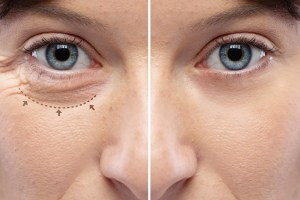
Reality: Contrary to this myth, blepharoplasty demands a tailored approach from the surgeon, meticulously customized to address each patient’s unique anatomical features, concerns, and desired outcomes. Eyelid surgery encompasses a spectrum of techniques, from upper eyelid lifts to lower eyelid rejuvenation, each with its own set of considerations and variations. Physical factors, as well as cultural preferences, ethnic backgrounds, and age-related changes, further emphasize the need for individualized treatment strategies. Therefore, this myth underscores the importance of collaborative dialogue between patients and skilled surgeons to craft bespoke interventions that honor the uniqueness of each patient’s facial aesthetics.
Myth #5: Recovery from blepharoplasty is unbearable
Reality: While undergoing eyelid surgery undoubtedly involves a period of healing characterized by swelling, bruising, and temporary discomfort, the reality is far from unbearable for most patients. Advancements in surgical techniques, anesthesia, and post-operative care have significantly enhanced the recovery experience, often minimizing discomfort and accelerating healing. Surgeons also provide detailed pre-operative instructions and prescribe medications to manage pain and promote healing, ensuring a smoother recovery process. Additionally, they advise patients to follow post-operative care guidelines diligently, including resting with the head elevated, applying cold compresses, and avoiding strenuous activities. With proper support and adherence to instructions, many individuals find that the discomfort associated with blepharoplasty recovery is manageable and temporary, ultimately leading to rewarding, rejuvenating outcomes that far outweigh any temporary discomfort endured during the healing process.
In conclusion, blepharoplasty can be a life-changing procedure, improving both vision and self-confidence. By debunking the myths and seeking qualified guidance, you can make an informed decision about whether it’s right for you.
If you’re considering blepharoplasty, take the next step towards achieving your desired aesthetic goals by consulting with a board-certified plastic surgeon. Dr. Apunjabi at Terracina Surgical Arts in Redlands, CA, offers years of experience and expertise in eyelid surgery. Whether you’re looking to address sagging eyelids, under-eye bags, or other concerns, Dr. Apunjabi can guide you through the process with care and professionalism. Schedule a consultation today to discuss your goals, ask any questions you may have, and embark on the journey to refreshed, rejuvenated eyes. Don’t hesitate to take the first step towards enhancing your appearance and boosting your confidence.
Caring for Drains Post-Surgery in Redlands, Can You Do it Alone? Tips and Advice
If you have undergone surgery, you may have one or more drains attached to your wound site. Drains are tubes that collect fluid and blood that may accumulate after surgery and prevent infection and swelling. Drains are usually placed where fluid builds up, such as the breast, abdomen, or groin. In this article, we will explain how to care for your drains at home:
Creating a Safe and Comfortable Environment
Before surgery, it’s essential to create a safe and comfortable home environment to ensure your safety and comfort when you get back home. This includes arranging furniture and belongings to avoid tripping or falling, having easy access to necessary items, having a phone, emergency contact, and first aid kit nearby, and lastly, creating a support system of family, friends, or neighbors who can help with daily tasks. In addition, it’s important to maintain a calm and serene atmosphere, which can aid in reducing stress levels and promoting a more conducive environment for healing and recovery.
Understanding Drain Maintenance Instructions from Your Surgeon
Your surgeon will provide specific instructions on drain maintenance, which include emptying and measuring drainage from the reservoir, keeping the tubing open and free of clots, compressing the reservoir, maintaining clean and dry dressings, and monitoring the drain site for signs of infection. It’s also vital to follow the schedule for drain care as recommended by your surgeon to ensure optimal healing and prevent any complications.
Scheduling Home Visits or Assistance from Healthcare Professionals If Needed
Home visits or assistance from healthcare professionals may be needed, depending on the type and extent of your surgery. These professionals can help assess your wound, administer medications, monitor vital signs, educate you and your caregivers on care, provide advice on mobility, strengths, and function, recommend equipment or devices, and refer you to other services or resources. Additionally, these healthcare professionals can offer emotional support and guidance to help you and your family cope with the post-operative recovery process, ensuring a comprehensive approach to your care.
Managing Pain and Discomfort During Drain Care
Effective management of pain and discomfort is crucial for a smooth recovery process. It’s important to gently mobilize the area around the drain to prevent stiffness without disturbing the drain itself. Relaxation techniques such as deep breathing exercises, meditation, or listening to calming music can also alleviate discomfort. Ensure that you maintain a comfortable posture while resting to avoid unnecessary pressure on the drain site. You can manage pain and discomfort during drain care by taking prescribed pain medications, managing swelling, using non-pharmacological methods, and communicating your pain level and needs to your healthcare provider or caregiver.
 Maintaining Proper Hygiene Practices
This includes washing your hands thoroughly before and after touching your drain or wound, showering or bathing daily, wearing clean clothes, avoiding touching or scratching the wound, keeping it away from pets or children, disposing of used dressings, gloves, and surfaces, and disinfecting contact surfaces.
In conclusion, caring for drains post-surgery is a crucial aspect of the recovery process that requires attention to detail and adherence to medical instructions. By creating a safe environment, understanding drain maintenance procedures, seeking assistance when needed, managing pain effectively, and maintaining proper hygiene practices, you can optimize your healing journey and minimize the risk of complications. Remember, you don’t have to navigate this alone—reach out to your healthcare team, friends, and family for support as you focus on your well-being and recovery.
At Terracina Surgical Arts, we provide the best surgery in Redlands with Dr. A. Punjabi, the most expert, and trustworthy plastic surgeon in the Inland Empire, who will provide his patients with the necessary education and support on how to care for their drains post-surgery. Besides plastic surgery, Dr. A. Punjabi also provides oral surgery practice for dental implants, wisdom and teeth extractions, jaw fractures, jaw tumor treatment, and more. Contact us today, and let us help you achieve your surgical goals in a secure and safe environment.
Post-Surgery in Redlands: Caring for Drains Post-Surgery, Can You Do It Alone? Tips and Advice
Following surgical procedures, patients often find themselves faced with the presence of drains attached to their wound sites. These essential tubes serve a critical purpose in collecting excess fluid and blood that may accumulate post-surgery, thereby averting potential complications such as infection and swelling. Placed strategically in areas prone to fluid buildup, such as the breast, abdomen, or groin, these drains play a pivotal role in facilitating the healing process. In this comprehensive guide, we delve into the significance of surgical drains and provide invaluable insights into effectively managing their care at home.
What Are Surgical Drains, and Why Do You Need Them?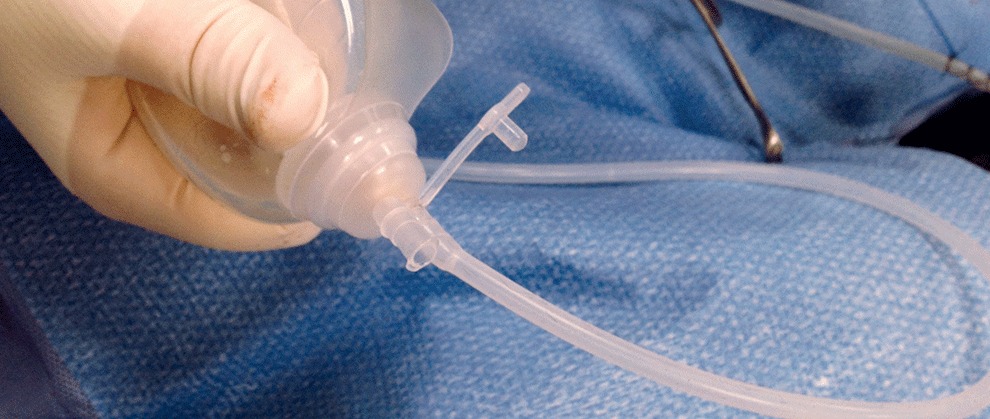
Drains are used after surgery for several reasons, such as reducing the pressure and pain caused by fluid accumulation at the wound site. Promoting wound healing and preventing the formation of seromas (pockets of fluid that can cause scarring and infection). Monitoring the amount and type of fluid that is draining, which can indicate the presence of infection or damage to surgically repaired structures, and finally, preventing the spread of infection or contamination from the wound site to other parts of the body.
The Basics of Caring for Surgical Drains at Home
- Creating a Safe and Comfortable Environment
After surgery, it’s essential to create a safe and comfortable home environment to ensure your safety and comfort. This includes:
- Arrange furniture and belongings to avoid tripping or falling.
- Having easy access to necessary items
- Having a phone, emergency contact, and first aid kit nearby.
- Create a support system of family, friends, or neighbors who can help with daily tasks.
- Understanding Drain Maintenance Instructions from Your Surgeon
Your surgeon will provide specific instructions on drain maintenance, which include emptying and measuring drainage from the reservoir, keeping the tubing open and free of clots, compressing the reservoir, maintaining clean and dry dressings, and monitoring the drain site for signs of infection.
-
Scheduling Home Visits or Assistance from Healthcare Professionals if Needed
Home visits or assistance from healthcare professionals may be needed, depending on the type and extent of your surgery. These professionals can help assess your wound, administer medications, monitor vital signs, educate you and your caregivers on care, provide advice on mobility, strength, and function, recommend equipment or devices, and refer you to other services or resources.
- Managing Pain and Discomfort During Drain Care
Managing pain and discomfort during drain care can be achieved through prescribed pain medications, handling swelling, non-pharmacological methods, and communicating your pain level and needs to your healthcare provider or caregiver.
- Maintaining Proper Hygiene Practices
This includes washing your hands thoroughly before and after touching your drain or wound, showering or bathing daily, wearing clean clothes, avoiding touching or scratching the wound, keeping it away from pets or children, disposing of used dressings, gloves, and surfaces, and disinfecting contact surfaces.
In conclusion, caring for surgical drains post-surgery is a crucial aspect of the recovery process that requires attention to detail and adherence to specific instructions provided by your surgeon. Drains play a vital role in promoting healing, preventing complications such as infections and seromas, and ensuring the overall success of your surgical outcome. By creating a safe environment at home, understanding maintenance instructions, seeking assistance when needed, managing pain effectively, and maintaining proper hygiene practices, you can optimize your recovery and minimize potential complications. At Terracina Surgical Arts, Dr. Punjabi and our team are committed to providing comprehensive care and support to our patients throughout their surgical journey, whether it’s plastic surgery or oral surgery. Contact us today to learn more about how we can help you achieve your surgical goals and ensure a smooth recovery process.