






Terracina Surgical Arts
Fillers vs. Surgery: Which Path to a Stronger Jawline is Right for You?

There was a time, not particularly long ago, when the concept of aesthetic enhancement was viewed through a very narrow lens. It was a conversation for women. Men were expected to simply deal with the cards genetics dealt them, or perhaps grow a beard to cover a receding chin. That era is effectively finished. The modern approach to male self-care has shifted aggressively. It isn’t just about gym routines or expensive suits anymore; it is about the face itself. Specifically, the jawline. It has become the visual anchor of the male aesthetic.
Psychologically, the reaction to a strong jaw is almost primal. Humans tend to subconsciously associate a sharp mandibular angle—that crisp corner where the jaw turns up toward the ear—with vitality, discipline, and authority. It signals strength. But genetics is rarely fair. A man can be in peak physical condition, low body fat, and still have a “weak” profile or a chin that slopes too softly into the neck. Often, stubborn submental fullness, commonly called a double chin, persists regardless of diet. It’s frustrating. Fortunately, the medical field has caught up. We now have tools to correct these structural issues without necessarily disrupting a busy life.
Geometry and the Male Ideal
When analyzing what makes a face look “masculine” in a traditional sense, the lower third is where the heavy lifting happens. Female aesthetics often chase a heart shape or a soft taper. Men need the opposite. It is about squareness. Width. Definition. The primary goal is to create a distinct visual separation between the face and the neck.
This definition provides balance to the rest of the features. It’s an architectural concept. If a nose looks too prominent, or the mid-face feels heavy, the problem often isn’t those features at all. It’s a lack of support from the bottom. By projecting the chin forward or widening the jaw angles, the nose suddenly snaps into proportion. The face looks grounded. This is exactly why jawline contouring has climbed the ranks to become one of the most requested procedures for men, sitting right behind standard wrinkle relaxers.
The Non-Surgical Route: Structural Fillers
Surgery is a big step. For many, the hesitation comes from fear of a long recovery or looking “overdone.” This is where the evolution of dermal fillers has changed the landscape entirely. We aren’t talking about soft fillers used for lips. These are structural fillers—usually based on calcium hydroxylapatite or dense hyaluronic acid—designed to mimic bone.
It’s less about anti-aging and more about modification. A skilled provider places this dense material deep, right on the mandibular bone. They can physically widen the face, sharpen the gonial angle, and square off the chin. The results are immediate. A patient walks in with a receding profile and walks out forty-five minutes later with a jawline that looks significantly more assertive.
This is arguably the most popular option for younger men. They don’t want to look younger; they want to look sharper. It is also the best way to handle asymmetry. Almost no one has a perfectly symmetrical face. One side of the jaw is usually weaker. Strategic injections level the playing field, creating a harmony that the eye perceives as naturally attractive.
Surgical Precision for the Long Term
Fillers are fantastic, but they are temporary. The body eventually metabolizes them. For men who want a permanent solution, or those whose anatomy requires more than just a volume increase, surgery remains the gold standard.
Chin implants have come a long way. These aren’t the “one size fits all” blocks from decades past. Modern implants are anatomical, coming in various shapes to custom-fit the patient’s bone structure. They provide the forward projection needed to balance a strong nose.
Then there is the neck. A sharp jawline is useless if it’s buried. Often, the skin connects the chin to the throat in a diagonal line, erasing definition. In these cases, liposuction or a neck lift is essential. By removing that small pocket of fat under the chin and tightening the skin, the underlying bone is finally revealed. For some men, the strong jaw was always there; it was just hidden. Combining neck contouring with a chin implant is often the “power move” that completely transforms the profile.
Nuance is Everything
The most critical part of this process is the approach. Male skin is thicker. The muscle mass is heavier. You cannot treat a male face with the same techniques used for women. Over-filling leads to a puffy, bloated look that screams “artificial.” The objective is to sharpen, not to soften.
Recovery is the other factor. Most men can’t take two weeks off. Non-surgical filler treatments usually allow a return to work the same day, with just some minor restrictions on heavy exercise. Surgical options require a few days of downtime but offer a “one-and-done” result.
Ultimately, choosing between the flexibility of injectables or the permanence of surgery requires a real conversation. It takes an expert who understands not just the medical anatomy, but the artistry required to keep a man looking like himself, just a more defined version.
Precision, Balance, and Expertise Across Jaw Aesthetics and Oral Care
oral surgery practice for dental implants · wisdom and teeth extractions · jaw fractures
A defined jawline goes beyond appearance. It reflects structure, balance, and the quality of care behind every decision. Jaw enhancement delivers the best results when aesthetic judgment is supported by advanced anatomical expertise—particularly within an oral surgery practice for dental implants, wisdom and teeth extractions, and complex conditions such as jaw fractures or jaw tumors. This integrated perspective allows facial refinement and oral health to work in harmony rather than in isolation. At Terracina Surgical Arts in Redlands, California, patients benefit from this combined expertise, receiving jaw-focused care that strengthens confidence while safeguarding long-term function. To discuss personalized options or current consultations, call 909-798-9950 and take the next step toward a stronger, more confident profile.
Subtle Facial Enhancements: Millennials & Gen Z Are Doing It Differently
Subtle facial enhancements are a shift you can’t ignore. If you walk into a clinic in the Inland Empire right now and you’ll notice something: Younger patients aren’t asking for big, dramatic changes. They’re asking for tiny tweaks: Micro-lifts, face fillers, injectable fillers, and even small facial implants. The vibe is “keep me looking like me, just fresher.”
Why Are They Into It?
Millennials and Gen Z grew up with selfies, filters, and wellness culture. They don’t want to wait until wrinkles set in. They would rather do little things early:
- A touch of injectable fillers under the eyes so they don’t look tired.
- Face fillers in the cheeks for a soft lift.
- Facial implants or face implants, if they want a sharper jawline.
- Micro-lifts that tighten skin just enough without the “I had surgery” look.
They’re not about changing identity. They’re about staying ahead of aging and keeping things natural. Most people who have tried these procedures say friends don’t notice the procedure itself; they just hear “you look great” or “you look rested.” Well, that’s the point. Subtle enhancements are confidence boosters, not conversation starters.
Lifestyle Plays a Big Role
These procedures fit into busy lifestyles. You can get fillers on a lunch break and head back to work. Recovery is short, results are subtle, and nobody has to know. In SoCal, especially in the Inland Empire, this matches the culture perfectly: Fast, wellness-driven, and image-conscious without being over the top.
Tech Makes It Easier
Face fillers today are smoother, safer, and blend better with natural tissue. Facial implants are more precise, so they don’t look harsh. Surgeons are mixing in regenerative techniques too, like fat grafting, to keep results soft. Basically, the tools have caught up with what younger patients want.
Where It’s Headed?
Millennials and Gen Z are setting the tone for the future of plastic surgery. Big changes are out. Small, preventative tweaks are in. Face fillers, injectable fillers, facial implants, and micro-lifts are the new normal.
Plastic surgery these days is about subtlety. Younger patients in the Inland Empire are choosing small enhancements that fit their lifestyle, keep them looking natural, and give them confidence without the drama. Are you thinking about it? Schedule a quick consultation with Dr. A Punjabi at Terracina Surgical Arts. We can help you figure out which subtle options like fillers, implants, or micro-lifts work best for you. Book a consultation today and discover how small changes can make a big difference in your confidence!
Small Enhancements, Big Confidence: How Subtle Procedures Can Change How You See Yourself
 Everyone has something about their appearance that feels distinctly theirs — a curve of a smile, the way the eyes lift when laughing. Over the years, those familiar details start to change. Skin softens, lines show up, and sometimes the mirror doesn’t quite match the energy you feel inside. Wanting to look rested or refreshed isn’t about vanity; it’s often about wanting to see the person you still feel like.
That’s the space where small cosmetic enhancements belong. Dr. Anil Punjabi focuses on refinement rather than transformation — small, precise touches that bring balance back without taking away the individuality that makes each face recognizable.
Why Subtle Enhancements Matter
Big results don’t always come from big changes. In fact, the most believable improvements tend to be quiet ones. A slight lift near the eyes, a softened jawline contour — nothing that shouts “surgery,” yet enough that you feel the difference every morning.
It’s also about timing. Addressing early signs of aging or mild asymmetry can maintain harmony before larger interventions are ever needed. When features sit in balance, the overall expression feels calm and natural, not altered.
Many patients mention that these understated refinements do more than adjust appearance. They change posture, presence, even confidence — the way someone walks into a room.
An Individualized Approach
Every face tells a different story, so Dr. Punjabi starts with a long conversation rather than a list of procedures. He studies proportion, tone, and facial movement, then maps out what would make the smallest change for the greatest sense of renewal.
Sometimes, combining light treatments achieves the most seamless result. A hint of volume in the cheeks, together with mild skin rejuvenation, for instance, can lift the entire expression without a single obvious sign of intervention.
The aim is never to replace what’s there — only to let your features catch up with how you feel.
Popular Subtle Procedures
- Eyelid Surgery (Blepharoplasty): Reduces puffiness or heaviness around the eyes so you look well-rested.
- Facelift: Tightens early laxity along the jaw and neck through discreet incisions and a short recovery.
- Botox & Dermal Fillers: Smooth fine lines and restore gentle fullness where it’s been lost.
- Abdominoplasty (Tummy Tuck): Smooths and firms the midsection by removing excess skin and tightening underlying muscles for a naturally contoured look.
- Breast Lift or Small Augmentation: Restores natural firmness and proportion, keeping results graceful.
Each can be customized to match your anatomy and comfort level; no two treatment plans look alike.
Confidence in the Details
One of the quiet joys of subtle cosmetic work is watching confidence return in everyday moments. Patients talk about catching their reflection and feeling “more themselves,” or noticing that they smile without thinking about angles or lighting. Often, friends can’t quite name what changed — they just sense that something feels right again.
Refinement, Not Reinvention
Dr. Punjabi’s Terracina Surjical Art has always been guided by restraint. His philosophy: enhance proportion, respect individuality, and allow results to age naturally. Done this way, cosmetic enhancement becomes less about altering identity and more about restoring balance.
If you’ve been curious about a small improvement — the kind that looks effortless but feels significant — scheduling a private consultation is a simple next step. Together, you and Dr. Punjabi can design a plan that’s realistic, subtle, and authentically yours.
Do Dental Implants Really Feel Like Natural Teeth?
Missing a tooth is more than cosmetic. Chewing feels different. Speech changes a bit. Even the jaw can adjust. Over time, gaps hurt confidence almost as much as function. Oral surgery practice for dental implants, fix that. They look natural, they’re strong. But do they feel like real teeth? That’s the question.
Purpose of a Dental Implant
An implant is not a simple filler. It is built to act like a tooth root. A small titanium screw is placed in the bone. Over the next weeks and months, the bone grows around it. This fusion is what locks the implant in place. Once healed, a crown is connected on top. The crown is designed to look like the rest of the teeth—same shade, same proportion.
That combination, post and crown, is what gives an implant its natural impression. It is fixed, stable, and not something that can be taken out at night. It belongs in the mouth the way a tooth does.
How They Compare to Natural Teeth
Patients who finish healing often report that the implant feels close to real teeth. They bite normally, chew without concern, and smile without hesitation. Stability is one of the reasons implants are so highly recommended. No shifting. No sliding.
There is, however, one difference that specialists point out. Natural teeth contain nerves. When pressure is applied, those nerves send information directly to the brain. An implant does not have that nerve. Instead, the sensation comes through bone and gum tissue. So, it is not the same, but for daily life, the difference fades. The brain adapts quickly, and most people forget it is even there.
Comfort After Healing
Comfort is a major benefit. Implants do not irritate the gums once they are settled. There is no adhesive. No routine of removing and placing back. They become part of the mouth. Eating returns to normal. Crunching an apple or chewing a steak becomes possible again.
Another important detail: implants help preserve bone density. A missing tooth means the bone around it can slowly wear away. Implants stimulate the bone in a similar way to roots, helping to keep the jaw’s natural shape. This prevents the hollowed or sunken look that sometimes appears after long-term tooth loss.
Adjustment Phase
Right after surgery, there is an adjustment period. Pressure can feel different. Chewing might feel unusual at first. For some patients, a couple of weeks. For others, longer. Healing, bone quality, and general health make a difference.
But the common outcome is the same. Once the body adapts, the implant blends into normal daily function. The difference between natural teeth and the implant becomes almost impossible to notice.
Maintenance and Daily Care
Implants are strong—titanium, ceramic—but they still need care. Brush twice a day. Floss regularly. The gums have to stay healthy. That’s what keeps the implant secure and working properly.
Regular professional cleanings also matter. Dentists monitor the gums, the bone, and the crown. With this type of care, implants can last for decades. In many cases, they last for life.
Beyond Function: The Emotional Side
The benefits are not only physical. Smiles affect the way people feel about themselves. An implant can restore confidence in professional and social settings. Eating in public no longer feels stressful. Speaking clearly without worry returns.
Unlike other solutions, implants both look and feel natural. This closeness to real teeth changes the way patients see themselves. It is more than oral health—it becomes a restoration of personal freedom.
Precision in Placement
Placing implants is a careful process. Imaging, planning, and surgical skills are critical. The crown also requires an artistic eye, since it must match the surrounding teeth. The work is technical, but it is also aesthetic.
Comprehensive Oral Surgery Care in Redlands: Dental Implants, Wisdom Teeth Extractions, and Jaw Fractures
Dental implants have proven to restore both strength and appearance, giving patients a reliable alternative that feels secure and natural. At Terracina Surgical Arts in Redlands, Dr. Anil Punjabi provides advanced oral surgery practice for dental implants, along with procedures such as wisdom and teeth extractions and the treatment of jaw fractures or jaw tumors. With dual board certification in plastic and maxillofacial surgery, his expertise ensures precision and artistry in every case. To schedule a consultation, call 909-798-9950 and ask about current promotions. Rediscover function, comfort, and confidence with Terracina Surgical Arts.
Cracked Tooth Solutions: Emergency Care, Restorations, and Dental Implants
A cracked tooth can arrive suddenly. A bite, a fall, a moment of bad luck — and then sensitivity, a jagged edge, or sharp pain. Not every crack is the same. Some are tiny lines; others run deep. Reacting fast, but not panicking, tends to change the outcome. Quick, sensible steps; then professional oral surgery practice for dental implants assessment. That sequence matters.
Why Teeth Crack
There are many causes. Biting hard objects—ice, bones, unpopped kernels. Direct trauma from falls or sports. Years of grinding (bruxism) that chips away at strength. Age and normal wear also thin the enamel over time. The crack’s direction and depth vary: surface craze lines, fractured cusps at the chewing edge, vertical root splits that start under the gum, or more complex oblique breaks. The deeper the crack, the more involved the repair. Simple observation won’t tell the whole story.
Signs That Something is Wrong
Pain when biting — classic. That sharp twinge on release of pressure. Sensitivity to hot or cold liquids. A persistent ache that comes and goes. Swelling near the gum. A piece that feels loose. Sometimes a jagged edge that cuts the tongue or cheek. Sometimes nothing dramatic — only a subtle change in how the tooth “feels.” That’s the problem: silent fractures exist. Imaging and clinical exams are often needed to catch those.
Immediate Steps to Take
Rinse gently with warm water. Stop bleeding, if present, with light pressure. Use a cold compress on the cheek to reduce swelling. Over-the-counter pain relievers can help, but avoid aspirin if bleeding is an issue. Do not chew on the affected side. Soft foods only. Avoid probing the tooth with fingers or utensils. These simple measures limit further damage — and reduce the discomfort.
If a Fragment Breaks Off
Find the piece, if possible. Handle it by the crown, not the root. Rinse briefly—no scrubbing. Store it in milk, saline, or saliva to keep it moist. Place it in a small, labeled container. Why save it? Sometimes fragments can assist restoration or at least clarify the nature of the break. Bring it to the appointment. Even if reattachment isn’t possible, the fragment tells a story about how the tooth failed.
What Professionals May Recommend
Treatment depends on the location and depth of the crack.
- Bonding: for small surface cracks. Conservative, fast, matches tooth color.
- Crowns: when a larger portion is compromised. A cap restores form and prevents further splitting.
- Root canal therapy: necessary when infection reaches the pulp. The interior is cleaned, sealed, and the tooth is often preserved.
- Extraction: last resort. Used when the crack extends too far, below the gumline, or when infection is uncontrollable. Replacement options follow extraction, but preserving the natural tooth is preferred when possible.
Each choice balances function, longevity, and cost. The main goals: relieve pain, prevent infection, and maintain biting ability.
Minimizing Future Risk
Dental emergencies often start small. Chewing ice, pens, or other hard things — sounds harmless, right? But it wears teeth down. Night grinding? A night guard. It keeps the cracks from getting worse. Athletes, especially in sports with hits or collisions, need proper mouthguards. Checkups — don’t skip them. Dentists can catch tiny problems before they become big ones. Fixing things early is almost always cheaper, less painful, and… easier, honestly.
When to Seek Urgent Care
Not every chip needs rushing to the dentist, true. But some signs can’t wait. Pain that keeps growing, swelling, spreading, a loose tooth, or big visible cracks — that’s urgent. Sharp fragments? Can cut your tongue, cheek — bad news. Waiting gives bacteria time to reach the pulp. Infection can appear quickly, and what was once simple becomes complicated. Acting quickly often saves the natural tooth.
Expert Oral Surgery Practice for Dental Implants, Wisdom and Teeth Extractions, and Jaw Care
At Terracina Surgical Arts in Redlands, patients find an expert oral surgery practice for dental implants, wisdom and teeth extractions, and care for jaw fractures. Dr. Anil Punjabi combines his dual board certifications with personalized attention, ensuring safe, effective treatments. From complex procedures to addressing jaw tumors, every patient receives thoughtful planning and advanced techniques. Call Terracina Surgical Arts today at 909-798-9950 to schedule a consultation and discover skilled oral care tailored to your needs. Your health and confidence are our priority.
Thinking About Dental Implants? 5 Signs You’re a Good Candidate
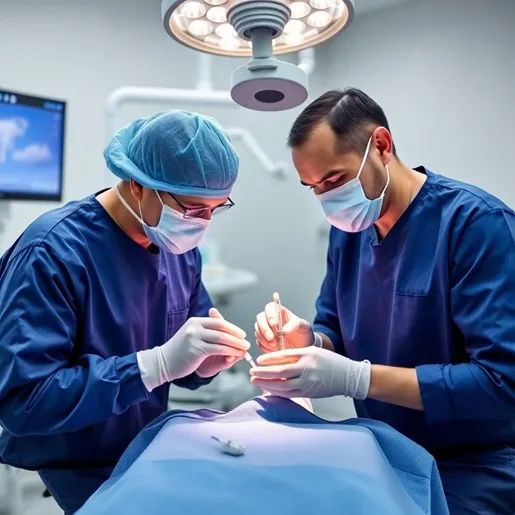
Getting dental implants can feel overwhelming at first. You’ve probably heard that they’re the best option for replacing missing teeth, but what does that mean for you? Is it the right time? Are you even a good candidate?
The truth is, being ready for dental implants isn’t just about having a missing tooth. There’s a lot more to it than that. Your bone health, daily habits, and even your mindset play a big role. So if you’ve been considering implants but aren’t sure where you stand, here are five real-deal signs you might be more ready than you think.
1. Healthy Jawbone
You might not realize it, but your jawbone is the foundation of a successful dental implant. The implant post fuses directly with the bone, becoming an integral part of your mouth, much like a natural tooth root. But if a tooth’s been gone for a while, the bone in that area may have weakened or shrunk. In some cases, conditions like jaw fractures or jaw tumors can also impact bone stability and require additional attention before implant placement.
The great news? That can be fixed. A bone graft can restore that lost bone, giving your implant the support it needs. It’s a safe and common treatment, and it helps many patients become great candidates for implants.
2. Permanent Fixes
Maybe you’ve tried a bridge, a partial denture, or you’ve just been living with that space and pretending it’s not that bad. But deep down? You’re kind of over it. Implants are the closest thing we’ve got to real teeth. They don’t move around when you talk. You don’t take them out at night. You don’t have to avoid corn on the cob (seriously). If you’re ready for something that feels permanent because you’re tired of things that don’t, that’s a strong sign you’re ready.
3. You Take Your Oral Health Seriously
We’re not saying you have to be a flossing rockstar. But here’s the thing: implants last the longest when they’re taken care of. This means brushing twice a day, flossing regularly, and visiting your dentist for professional cleanings. If you’re already doing that, awesome. If you’re not, but you’re ready to commit, that’s just as good. Implants are an investment, and a little daily effort goes a long way in protecting that investment.
4. You Don’t Smoke
This one’s important. Smoking and dental implants don’t mix well. Tobacco slows down healing and increases the chances of infection, which can lead to implant failure. So, if you’re a non-smoker, you’re in great shape, and if you do smoke but are willing to quit (even just for the healing period), you’re still in the game. Be honest with your dentist; they’re not here to judge, just to help you succeed.
5. Investment in a Long-Term Solution
Implants can be pricey. They take time and involve multiple appointments. But here’s the thing: once they’re done, they can last decades. They don’t get cavities. They protect your jawbone, and they look and feel like the real thing.
If you’ve been thinking about investing in your smile, not just for now, but for years to come, there’s a good chance you’re more ready for dental implants than you realize. If most of what you’ve read here sounds like you, that’s a great sign. You don’t need to have it all figured out. The first step is just having the conversation.
At Terracina Surgical Arts, Dr. A. Punjabi and our caring oral surgery team are here to help. We’ll walk you through your options, answer your questions, and support you from start to finish with your oral surgery practice for dental implants. Schedule your consultation today.
Immediate vs. Delayed Implant Placement: What Your Oral Surgery Practice for Dental Implants Recommends

Timing is crucial when it comes to restoring your smile with dental implants. As an oral surgery practice for dental implants, one of the most frequent questions we get is, “Can I get my implant right after a tooth is removed?” Based on our expertise and the number of cases we’ve handled, we inform patients that the answer depends on several clinical factors unique to each individual. Understanding each case can help patients feel more confident about your treatment plan.
This blog will explore the difference between immediate implant placement and delayed ones and how your oral health, healing qualities, and even previous conditions like jaw fractures or jaw tumors can influence the best approach for you.
What Is Immediate Implant Placement?
Immediate implant placement occurs when a dental implant is placed at the same time as the tooth extraction or wisdom and teeth extractions, if that is your case. The goal of this approach is to lessen the number of surgeries needed and shorten the overall treatment duration.
Benefits include:
- Fewer surgical visits.
- Preservation of bone and gum tissue.
- Faster transition to a permanent solution.
How do we know if you’re a candidate or not for immediate implant replacement? Well, if the extraction site is showing signs of infection or lacking enough bone, a delayed approach may be safer.
What is Delayed Implant Placement?
From 3 to 6 months after the tooth removal, a delayed implant placement typically occurs. The purpose of a delayed implant placement is to allow the extraction site to fully heal and, if necessary, undergo bone grafting or other preparatory procedures.
This method is often recommended for patients who have experienced complications during wisdom and teeth extractions, are undergoing preparation for dentures (such as bone smoothing or soft tissue healing), have a history of jaw fractures or trauma, or require time to recuperate from the treatment of their jaw tumors.
What Factors Determine The Right Timing?
- Bone Quality and Volume
We use advanced imaging to assess whether your jawbone can support an implant immediately. If bone loss is present, grafting may be needed before placement.
- Infection or Inflammation
Active infection at the extraction site—especially common in complex wisdom and teeth extractions—may delay implant placement to avoid complications.
- Soft Tissue Health
For an implant to work, your gums need to be healthy. We may suggest a delayed schedule if your gums need time to heal after extractions or surgery.
- Medical History
Diabetes, smoking, or a history of jaw tumors can all make healing take longer and change the surgical approach.
- Surgical Complexity
If you have had jaw fractures or reconstructive surgery in the past, we may adopt a staged approach to make sure that the results last and look well.
Our Approach: Precision, Personalization, And Predictability
At our oral surgery practice for dental implants, we don’t believe in one-size-fits-all solutions. We make each treatment plan based on your specific body type, health issues, and goals. Our team is here to help you with every step of the process, whether you’re recovering from your teeth removal, getting ready for a new prosthetic, or dealing with a difficult condition like jaw tumors.
Are you ready to learn which way is best for you? Call Terracina Surgical Arts today to set up a meeting with Dr. A. Punjabi and our oral surgery team. This is the first step toward getting results that last.
5 Reasons to Consider Dental Implants for a Permanent Solution to Missing Teeth
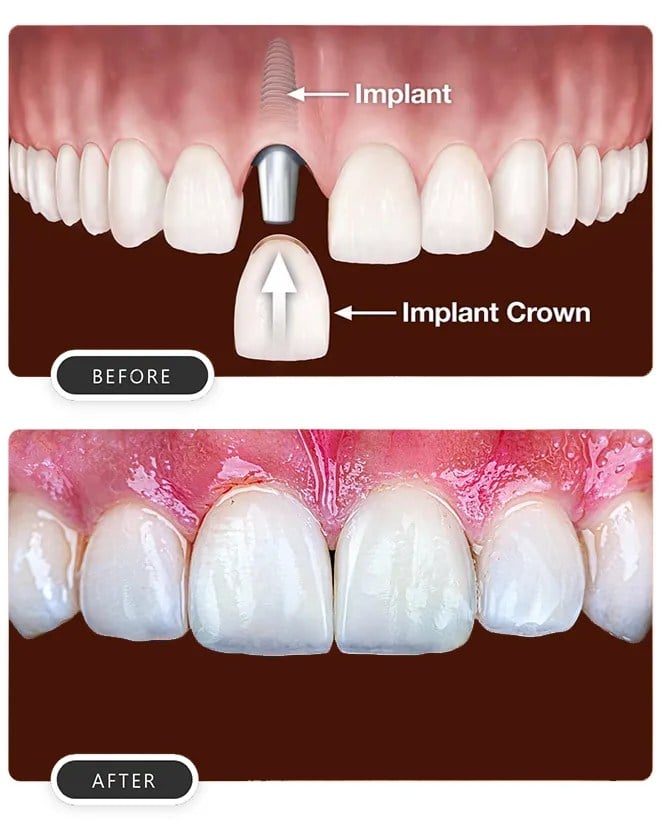
Missing teeth are more than an aesthetic concern—they can affect your ability to eat, speak, and feel confident in your smile. As oral surgery practices have advanced, dental implants have emerged as the preferred method for restoring oral health and function. Unlike temporary solutions, dental implants offer a permanent, reliable fix for missing teeth. Let’s explore five compelling reasons why dental implants might be the best option.
 Reason #1: Durability and Longevity
Dental implants are built to last a lifetime, making them a long-term investment in oral health. While dentures and bridges often require replacements after several years, implants fuse with the jawbone through osseointegration, creating a durable and resilient foundation. Made from high-quality materials like titanium, they can withstand everyday chewing forces and retain their functionality for decades.
Dental implants performed by an oral surgery practice for dental implants ensure precision and durability, reducing the need for frequent maintenance or replacements.
Reason #2: Natural Look and Feel
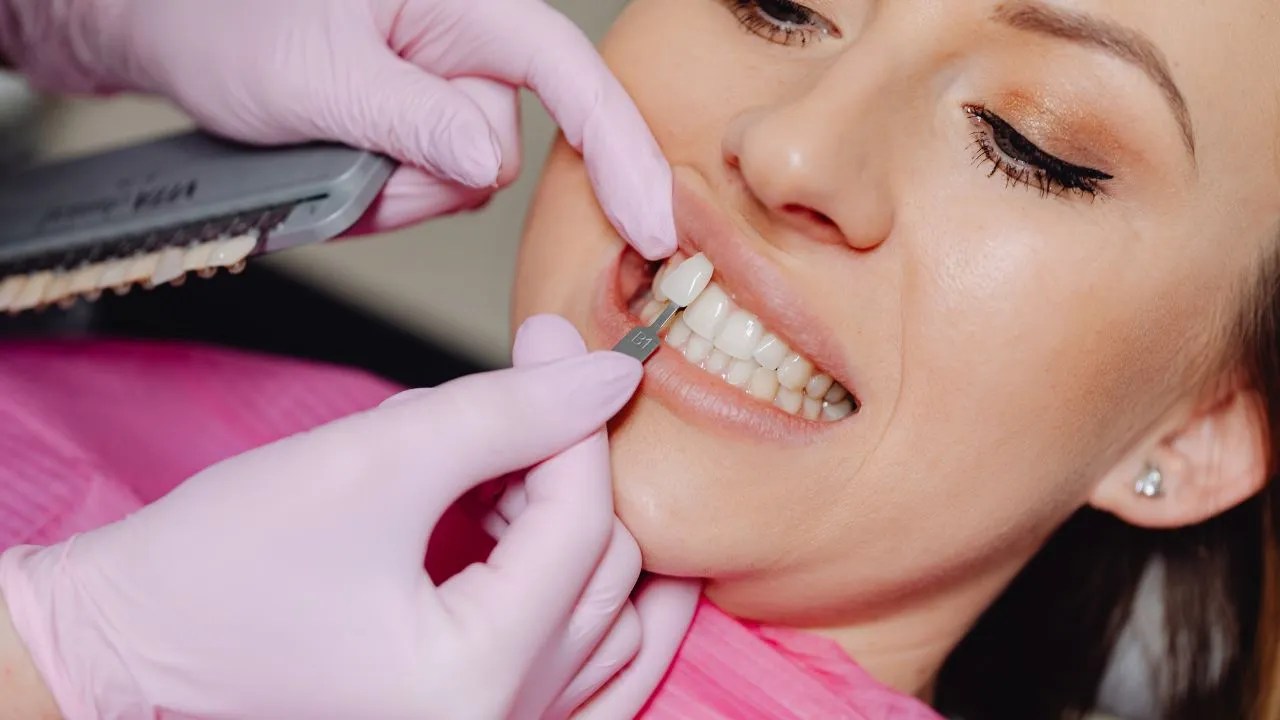
Dental implants are carefully designed to blend seamlessly with your natural teeth. Unlike dentures, which may feel unnatural or shift uncomfortably, implants provide the stability and appearance of real teeth. Their integration with the jawbone allows them to function like your original teeth, whether smiling, chewing, or speaking.
From wisdom teeth extractions to implant placement, experienced oral surgeons focus on delivering results that look and feel natural for patients.
Reason #3: Preservation of Jawbone Health
Missing teeth can lead to significant jawbone deterioration over time. Without the stimulation provided by tooth roots, the jawbone starts to weaken, leading to changes in facial structure. Dental implants help prevent this by acting as artificial roots, stimulating the jawbone, and maintaining its strength and density.
In cases of jaw fractures or bone loss, dental implants are a vital part of the restoration process, ensuring the jaw remains healthy and functional.
Reason #4: Improved Functionality and Comfort
Unlike other solutions, dental implants provide full functionality without the risks of shifting or discomfort. You’ll be able to enjoy your favorite foods, speak clearly, and smile confidently, knowing your implants are stable and secure. The fixed nature of implants eliminates the hassles associated with removable dentures and bridges.
Oral surgeons specializing in treating jaw tumors understand the importance of delivering functional and comfortable outcomes, making dental implants a top choice for restoring normalcy in your everyday life.
 Reason #5: Boost Confidence and Quality of Life
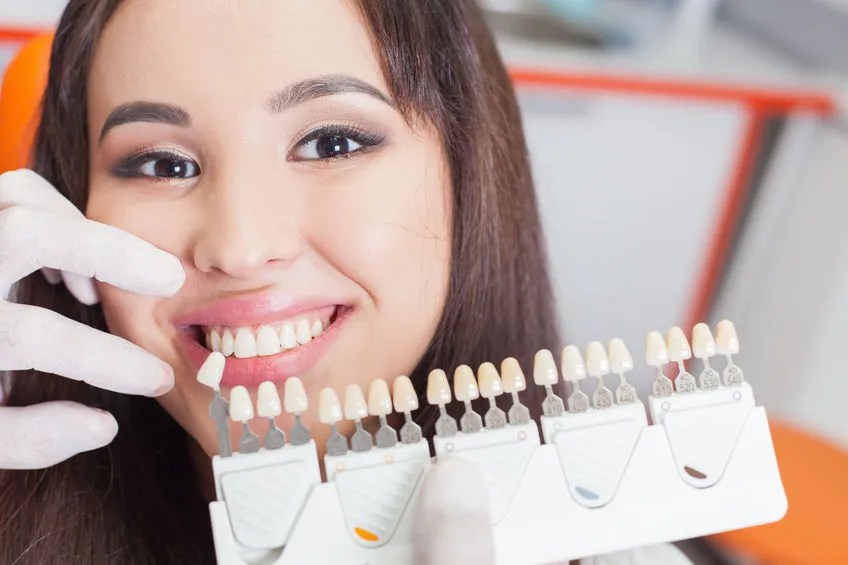
Dental implants can transform your confidence by providing a complete and natural-looking smile. They eliminate the gaps left by missing teeth, allowing you to smile freely in personal and professional settings. Additionally, implants enhance speech clarity and provide the freedom to eat and interact without worry.
Patients who choose dental implants through a skilled oral surgery practice for dental implants often experience a significant improvement in their quality of life.
Dental implants offer a permanent and comprehensive solution to the challenges of missing teeth. From their unmatched durability to their ability to preserve jawbone health, they stand out as the ideal choice for anyone seeking to restore their smile and oral function. At Terracina Surgical Arts, under the expert care of Dr. A. Punjabi, you can achieve a natural, confident smile that lasts a lifetime.
Sports-Related Jaw Fractures: Prevention, Treatment, and Recovery Tips
Athletes and active individuals are no strangers to injuries, but one of the most serious and painful injuries they may face is a jaw fracture. Whether caused by high-impact collisions in contact sports or accidental falls, jaw fractures can significantly impact daily life, requiring immediate attention and a proper recovery plan. In this guide, we’ll explore how to prevent jaw fractures, available treatment options, and the best recovery practices to ensure a smooth healing process.
Preventing Jaw Fractures in Sports
Prevention is the best way to avoid the pain and complications of a jaw fracture. Athletes participating in high-contact sports, such as football, hockey, boxing, and basketball, should take the following precautions:
- Wear a Custom-Fitted Mouthguard – A well-fitted mouthguard absorbs impact and reduces the risk of fractures. Athletes should opt for custom mouthguards designed by dental professionals for the best protection.
- Use Proper Headgear – Helmets and faceguards provide an essential layer of protection for the face and jaw. Sports like hockey and football require approved protective gear to reduce the chances of injuries.
- Practice Safe Techniques – Proper training on tackling, blocking, and falling can prevent unnecessary blows to the face. Coaches and trainers should emphasize correct form to minimize injury risks.
- Strengthen Jaw Muscles – Conditioning jaw and neck muscles can enhance stability, reducing the likelihood of fractures upon impact.
- Stay Aware of Surroundings – Whether in the game or during practice, being mindful of your surroundings can help avoid unexpected collisions.
Treatment Options for Jaw Fractures
If a jaw fracture occurs, seeking prompt medical attention is essential. Treatment will depend on the severity of the fracture:
- Mild Fractures – These may heal with non-surgical methods, such as jaw immobilization using elastic bands or wiring.
- Moderate to Severe Fractures – Surgery may be necessary to realign the jawbone and ensure proper healing. This often involves the use of plates and screws.
- Pain Management and Medication – Anti-inflammatory and pain-relief medications are commonly prescribed to manage discomfort.
- Soft or Liquid Diet – During recovery, patients must adhere to a soft or liquid diet to prevent additional strain on the jaw.
Recovery Tips for a Smooth Healing Process
A successful recovery after a jaw fracture depends on proper care and patience. Here are key tips to facilitate healing:
- Follow Post-Treatment Instructions – Whether post-surgery or non-surgical care, adhering to the surgeon’s recommendations is critical.
- Maintain a Nutrient-Rich Diet – Soft foods rich in protein, calcium, and vitamins support bone healing and overall recovery.
- Avoid Hard or Chewy Foods – Straining the jaw can delay healing or cause complications.
- Practice Good Oral Hygiene – Keeping the mouth clean minimizes the risk of infection. Rinsing with an antibacterial mouthwash may be recommended.
- Attend Follow-Up Appointments – Regular check-ups ensure the jaw is healing correctly and allow for adjustments to treatment if needed.
- Gradually Resume Physical Activity – Avoid contact sports until fully cleared by a medical professional to prevent reinjury.
Prioritizing Prevention and Proper Care
Sports-related jaw fractures can be painful and disruptive, but with proper prevention strategies, prompt treatment, and dedicated recovery efforts, athletes can return to their active lifestyles safely. Wearing protective gear, following medical advice, and allowing ample healing time are crucial steps toward a full recovery. If you suspect a jaw fracture or require expert care, consult with a specialist at Terracina Surgical Arts to ensure the best treatment options for your needs.
Jaw Fractures and Their Impact on Speech: What Surgery Can Do for You
Dealing with jaw fractures can be more than just a painful experience; it can hinder your speech, eating, and daily routine. Understanding how a fractured jaw affects your communication ability and how surgery can help is vital for a full recovery. At Terracina Surgical Arts, our specialized treatments are designed to restore your jaw’s function and help you get back to living confidently.
How Jaw Fractures Affect Speech
The jaw plays a pivotal role in speech production, as it controls the positioning of the tongue, teeth, and lips. When a jaw is fractured, several factors can disrupt normal speech patterns:
- Jaw Misalignment
A fractured jaw often results in misalignment, making it difficult to articulate sounds properly. This can lead to slurred speech or difficulty pronouncing certain words.
- Pain and Swelling
The pain and swelling from a jaw fracture can limit movement, causing strain while trying to form words.
- Muscle Impairment
Damage to the jawbone can also affect surrounding muscles and nerves, making it challenging to coordinate speech-related movements.
- Restricted Movement
In severe cases, a jaw fracture might immobilize part of the jaw, drastically reducing speech clarity and the ability to open or close the mouth.
The Role of Surgery in Speech Restoration
While minor jaw fractures might heal with immobilization, more complex cases require surgical intervention. At Terracina Surgical Arts, we offer comprehensive solutions to restore jaw structure and function, ensuring your speech is as clear as it was before the injury. Here’s how surgery helps:
- Realigning the Jaw
Surgical procedures reposition the broken jawbone into its proper alignment, restoring normal function and improving the mechanics of speech.
Stabilizing the Fracture
Titanium plates, screws, or wires are often used to stabilize the jaw during the healing process, ensuring it remains aligned as it heals.
- Correcting Long-Term Issues
If a jaw fracture leads to chronic misalignment or malocclusion (misaligned bite), corrective surgery addresses these issues to improve both function and speech.
- Preventing Complications
Timely surgical intervention prevents long-term complications such as speech impediments, chronic pain, and TMJ (temporomandibular joint) disorders.
Recovering from jaw surgery requires patience and proper care. Post- operative instructions may include following a soft-food diet to avoid straining the jaw, performing gentle jaw exercises as recommended by your surgeon. And attending follow-up visits to monitor healing progress.
What to Expect During Recovery
Recovering from jaw surgery requires patience and proper care. Post-operative instructions may include:
- Following a soft-food diet to avoid straining the jaw.
- Performing gentle jaw exercises as recommended by your surgeon.
- Attending follow-up visits to monitor healing progress.
Why Choose Terracina Surgical Arts?
Our team of skilled surgeons at Terracina Surgical Arts is dedicated to delivering exceptional care for patients with jaw fractures. Using cutting-edge technology and advanced surgical techniques, we focus on restoring functionality while ensuring the best possible aesthetic results.
If a jaw fracture has affected your speech or quality of life, don’t wait to seek professional care. Contact Terracina Surgical Arts today to schedule a consultation and take the first step toward recovery.