






Post-Surgery in Redlands: Caring for Drains Post-Surgery, Can You Do It Alone? Tips and Advice
Following surgical procedures, patients often find themselves faced with the presence of drains attached to their wound sites. These essential tubes serve a critical purpose in collecting excess fluid and blood that may accumulate post-surgery, thereby averting potential complications such as infection and swelling. Placed strategically in areas prone to fluid buildup, such as the breast, abdomen, or groin, these drains play a pivotal role in facilitating the healing process. In this comprehensive guide, we delve into the significance of surgical drains and provide invaluable insights into effectively managing their care at home.
What Are Surgical Drains, and Why Do You Need Them?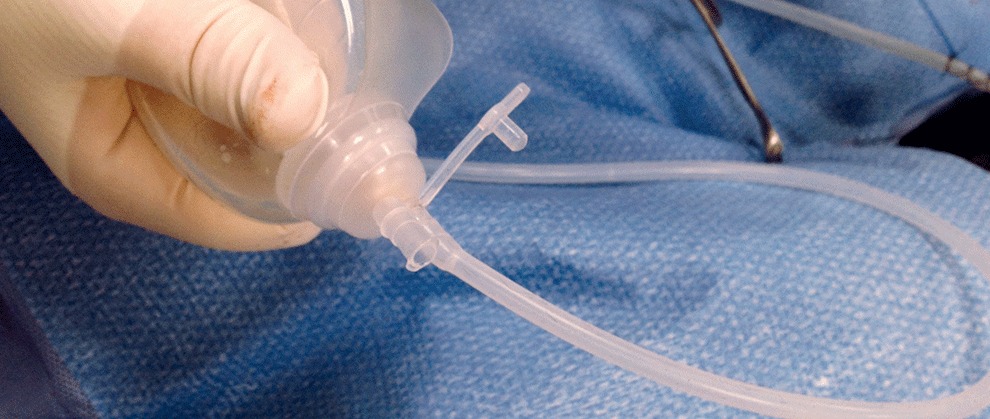
Drains are used after surgery for several reasons, such as reducing the pressure and pain caused by fluid accumulation at the wound site. Promoting wound healing and preventing the formation of seromas (pockets of fluid that can cause scarring and infection). Monitoring the amount and type of fluid that is draining, which can indicate the presence of infection or damage to surgically repaired structures, and finally, preventing the spread of infection or contamination from the wound site to other parts of the body.
The Basics of Caring for Surgical Drains at Home
- Creating a Safe and Comfortable Environment
After surgery, it’s essential to create a safe and comfortable home environment to ensure your safety and comfort. This includes:
- Arrange furniture and belongings to avoid tripping or falling.
- Having easy access to necessary items
- Having a phone, emergency contact, and first aid kit nearby.
- Create a support system of family, friends, or neighbors who can help with daily tasks.
- Understanding Drain Maintenance Instructions from Your Surgeon
Your surgeon will provide specific instructions on drain maintenance, which include emptying and measuring drainage from the reservoir, keeping the tubing open and free of clots, compressing the reservoir, maintaining clean and dry dressings, and monitoring the drain site for signs of infection.
-
Scheduling Home Visits or Assistance from Healthcare Professionals if Needed
Home visits or assistance from healthcare professionals may be needed, depending on the type and extent of your surgery. These professionals can help assess your wound, administer medications, monitor vital signs, educate you and your caregivers on care, provide advice on mobility, strength, and function, recommend equipment or devices, and refer you to other services or resources.
- Managing Pain and Discomfort During Drain Care
Managing pain and discomfort during drain care can be achieved through prescribed pain medications, handling swelling, non-pharmacological methods, and communicating your pain level and needs to your healthcare provider or caregiver.
- Maintaining Proper Hygiene Practices
This includes washing your hands thoroughly before and after touching your drain or wound, showering or bathing daily, wearing clean clothes, avoiding touching or scratching the wound, keeping it away from pets or children, disposing of used dressings, gloves, and surfaces, and disinfecting contact surfaces.
In conclusion, caring for surgical drains post-surgery is a crucial aspect of the recovery process that requires attention to detail and adherence to specific instructions provided by your surgeon. Drains play a vital role in promoting healing, preventing complications such as infections and seromas, and ensuring the overall success of your surgical outcome. By creating a safe environment at home, understanding maintenance instructions, seeking assistance when needed, managing pain effectively, and maintaining proper hygiene practices, you can optimize your recovery and minimize potential complications. At Terracina Surgical Arts, Dr. Punjabi and our team are committed to providing comprehensive care and support to our patients throughout their surgical journey, whether it’s plastic surgery or oral surgery. Contact us today to learn more about how we can help you achieve your surgical goals and ensure a smooth recovery process.